

Top Tips on how to increase Bone Density after 50
My journey into bone health started this year, when back in April I was laid up in bed for 3 weeks with a herniated disk in my C6/7, right at the top of my neck. This was the compound effect of sitting at a desk for over 20 years, poor posture and not listening to the warning signs. I had never thought about bone health, even though I am in the midst of menopause I feel strong, keep fit and healthy and generally feel much younger!
However, one morning in April after weeks of “pushing through”, my favourite thing to do when it comes to my body, energy levels and fitness, that nagging pain in my neck turned into me not being able to lift my head or get out of bed. The throbbing nerve pain in my left forearm was unbearable and had kept me awake at 3am on my bedroom floor in tears for weeks.
I called an ambulance and spent the next 15 hours in A&E, after an MRI scan revealed that my C6/7 disk was close to touching my spinal cord, which is why I was in such severe pain and could barely walk.
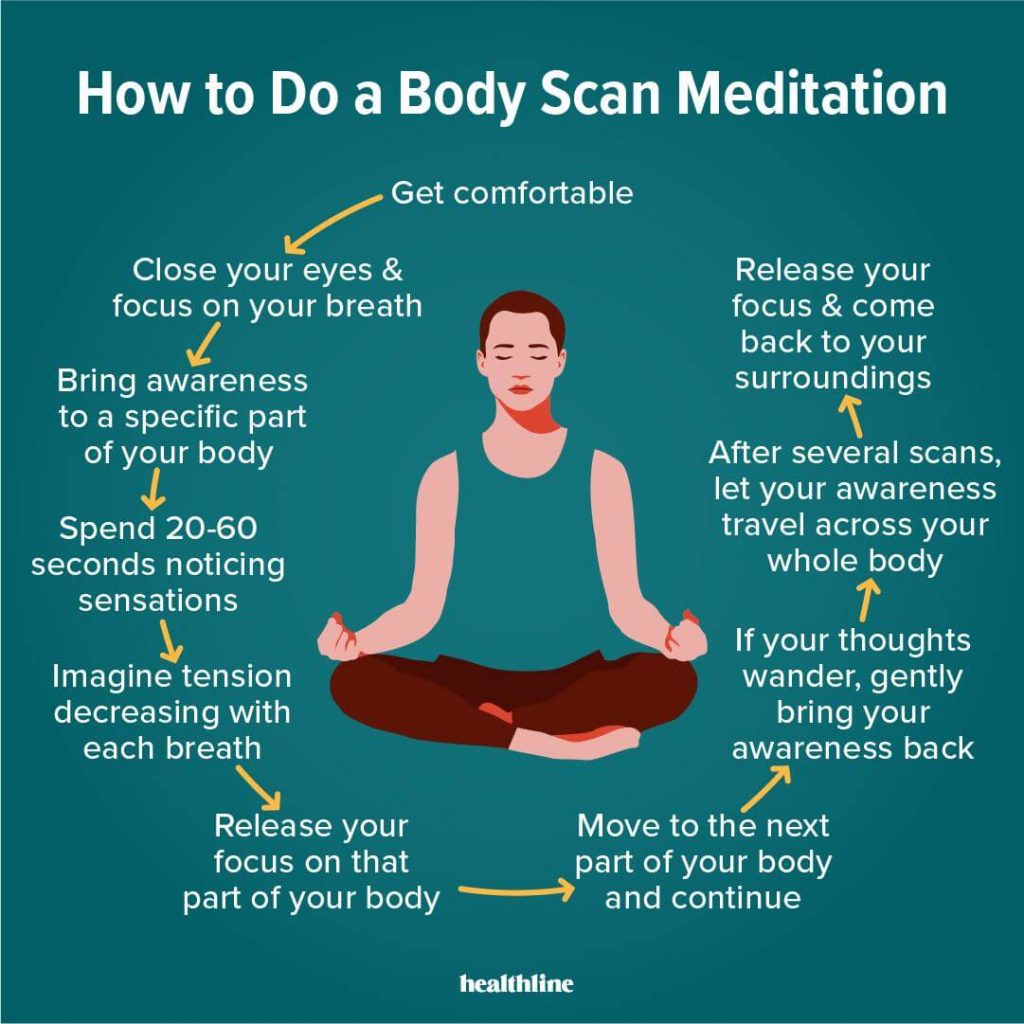
Please do a 1 minute body scan right now as you are reading this, are there any signs, tension, little niggles that you have been ignoring? Has life just been too busy to stop and tune into your beautiful body that’s been trying to give you a warning sign, screaming I’ve had enough!
How to increase bone density after 50
Let’s look into bone health to understand how to increase bone density after 50.
As women age, their bodies undergo hormonal shifts, particularly during perimenopause and menopause. These changes cause a rapid decline in estrogen, a hormone crucial for maintaining bone density. Low estrogen can accelerate bone loss, increasing the risk of fractures and osteoporosis. Maintaining bone density is vital to avoid these risks and support long-term mobility and independence.
Did You Know?
- Osteoporosis affects approximately 1 in 3 women over 50, leading to fractures that can severely impact lifestyle and independence.
- Women over 40 who take proactive steps to maintain bone density can reduce fracture risk by up to 50%. This includes lifestyle changes, targeted exercise, and dietary adjustments.
[Assess Your Risk for Low Bone Density with the Royal Osteoporosis Society →] https://shorturl.at/WPBzF
Nutrition and Supplements for Stronger Bones
Eating a balanced diet rich in essential nutrients helps preserve bone mass and supports overall health. Calcium and vitamin D are particularly vital because they work together to support bone density and help prevent osteoporosis.
I am a huge fan of Dr Mindy Pelz who is a world-renowned women’s health expert on a mission to empower women to believe in their bodies.
Recommended Products for Bone Health:
Magnesium Supplements: Magnesium supports bone mineralization and muscle function. Natural Vitality Calm Magnesium is a trusted product that helps maintain optimal magnesium levels.
Calcium Supplements: Citracal Slow Release 1200 offers a slow-release formula that provides a steady calcium supply throughout the day. Another excellent choice, Nature Made Calcium 500mg with Vitamin D3, combines calcium with vitamin D3 to enhance absorption.
Vitamin D3 Supplements: Garden of Life Vitamin Code Raw D3 and NatureWise Vitamin D3 5000 IU are popular options for boosting vitamin D levels, a critical nutrient for calcium absorption and bone density.
As well as the above I am a huge fan of British Supplements as they focus on clean, great quality vitamins. I would never buy anything from Holland & Barrett or the mainstream brands, in my opinion the quality just isn’t there. Another brand I love for Magnesium is PrizMag which is pure magnesium bisglycinate and 100% vegan with no additives. I take three every night before I go to bed to help with sleep.
Following my injury I really started to think about the fuel I put in my body, not only for my fitness levels and weight training but also to regulate my sleep and hormones. I needed to also lose a couple of stone so I focused on eating less carbs and increased my vegetables and protein intake (I have included a download link below to a protein chart that you can print out).
I started to study intermittent fasting with Dr Mindy Pelz and learn about all the nutritious food groups that feed your body as well as your bones. Eating well and looking after your body after 40 becomes even more vital as women go through enormous changes. It sets you up for your later years and gives the future you an opportunity to be the fittest you have ever been!
Let’s now look at weight bearing exercise to increase your bone density after 50.
Exercise to Improve Bone Density in Women Over 50
Physical activity is a vital component of bone health. Weight-bearing and resistance exercises help to stimulate bone formation, strengthen muscles, and improve balance, all of which contribute to reducing fracture risk.
Popular Exercises for Bone Health:
Low-impact exercises: Yoga and Pilates help improve flexibility, balance, and strength, which can be especially beneficial for older adults. Yoga can also help prevent falls by improving posture and coordination.
Weight-bearing activities: Activities like walking, jogging, and dancing place pressure on bones, stimulating bone growth and strength. Even simple exercises, like brisk walking, can help improve bone density.
Resistance training: Lifting weights or using resistance bands strengthens muscles around the bones and reduces bone loss. For example, TheraBand Resistance Bands are easy to use and effective for building muscle tone.
You may already be in the camp of exercising and loving it or leading a sedentary lifestyle apart from your usual daily activities and routines. Although I went running and visited the gym about twice a week it dawned on me that I actually led a sedentary lifestyle which led to my injury.
I was treating my body like I was still in my 30’s and not listening to it at all. I would go running along the seafront on hard concrete and feel the stiffness and niggles which I completely ignored, I thought it was normal to feel stiff after exercise.
I would then sit at my desk for hours and rush to the gym on my lunch break trying to get through all the exercises on my list before I had to get back. I didn’t understand enough about dynamic warm up’s and functional movement to keep my body safe.
Most importantly I wasn’t connected to my body, I wasn’t listening, I was up in my head with a life “to do list” whilst lifting heavier weights to “improve” my muscle tone. This all ended in weeks of nerve pain and eventually being unable to walk.
Following three weeks in bed I gradually started to feel better, there was no way I was going to let a neurosurgeon cut into my spine! When we have a herniated disc one of the options to reduce the pain is to fuse the vertebra together, this isn’t a good idea and can cause a severe lack of mobility and problems down the line.
One of the worst feelings I had during my recovery was the isolation and lack of independence, it was a massive wake up call! Not being able to cook, shop for food, move my body and get out for a walk, see friends, it had a huge impact on my mental health.
I was now thinking of everything I could do to change my lifestyle so I never got into this situation again and lost my independence…….
- I faced up to the fact that I lived a sedentary lifestyle as I sat at a desk working for 8 hours a day. Getting to the gym a couple of times a week wasn’t enough. I started walking every day for 20-30 minutes and setting a timer at my desk for every hour to get up and move with some gentle stretching.
- I looked at my home and desk environment and asked work for an ergonomic chair to support my spine along with a converting stand up desk. My sitting position and posture was poor and I needed a high back chair with a headrest and arms to encourage me into the right position. My company opted for Posturite which are very expensive but it’s worth it.
- I began to slow down and tune in! Our bodies are amazing and will give us plenty of warning signs before they break! I started doing conscious body scans and focusing on how I was moving my body every day, always thinking about how my spine was aligned.
- Part of the recovery was posture correction, I went onto You Tube to find exercises, see link below, this guy is amazing.
- I invested in a really good Osteopath, this was a huge part of my recovery, I now go every 3 months to keep me aligned and healthy.
- I completely changed my gym routine AND started to really focus on stretching and warming my body up, dynamic stretches are key before lifting weights, I’ll link one below that I use.
- I began hot yoga every week, this has changed everything! It’s a great complement to resistance training, I can’t stress how important keeping flexible and mobile is as we get into our 50’s.
- I increased my water in-take which honestly I wasn’t great at. Our discs in our spine need water to heal and stay healthy, it’s one of the biggest factors. This wasn’t easy as I had never been a big fan of water but it was now a necessity. I drank a minimum of 1.5 litres a day of bottled water, I don’t drink tap water because of all the chemicals they now put in it.
Handpicked Support for Your Midlife Journey:
Some of the links below may be affiliate links in the future. I only ever recommend products and resources I truly believe in.
🎥 Helpful Videos to Deepen Your Understanding
An amazing physio for the over 50’s: https://www.youtube.com/@HT-Physio
Dr Mindy Pelz YT channel: https://www.youtube.com/@DrMindyPelz
Resistance training YT link that I use: https://www.youtube.com/@athleanx
Dynamic stretch routine: https://www.youtube.com/watch?v=5jOkxW1iBWk&ab_channel=TheGainzCenter
Conclusion: If my future self could have told me…

- Never “push through” physical discomfort, if you feel tension or pain, STOP, tune in and stretch.
- Drink at least 1.5 litres of water a day, your spine will thank you as well as your skin!
- Focus on functional movement, stretching and mobility, start yoga. As you age you become less flexible and resilient, begin at 40!
- Honour and respect your body, it’s your vehicle for life! Eat good food and feed your body nutritious meals.
- When you need rest, REST.
- Start regular resistance training, at least twice a week.
- Take care of your everyday environment, set your work space up correctly and focus on your posture. Give yourself regular breaks every hour to stretch and move.
- Do posture exercises daily.