

Average Protein Intake for Females – understanding how to calculate protein intake and why we need it so much after 40
Based on averages from evidence-based recommendations, a general rule of thumb is to eat about 1.2g protein per kg of body weight to maintain muscle. This may increase to 1.2-1.6g/kg of body weight when looking to add lean mass or if you’re a woman in midlife. I currently weigh 62.85kg so my goal is to eat 100g of protein a day (I am aiming for the higher end).
I have already written a post on increasing bone density after 50 and how vital it is to do weight bearing activities and resistance training. Increasing our protein intake is a key component to successfully building and strengthening our musculoskeletal system, without it we may be training in vain and with minimal results.
Let’s take a deeper look into why protein is so important and the function it plays in women as we move beyond 40 years old.
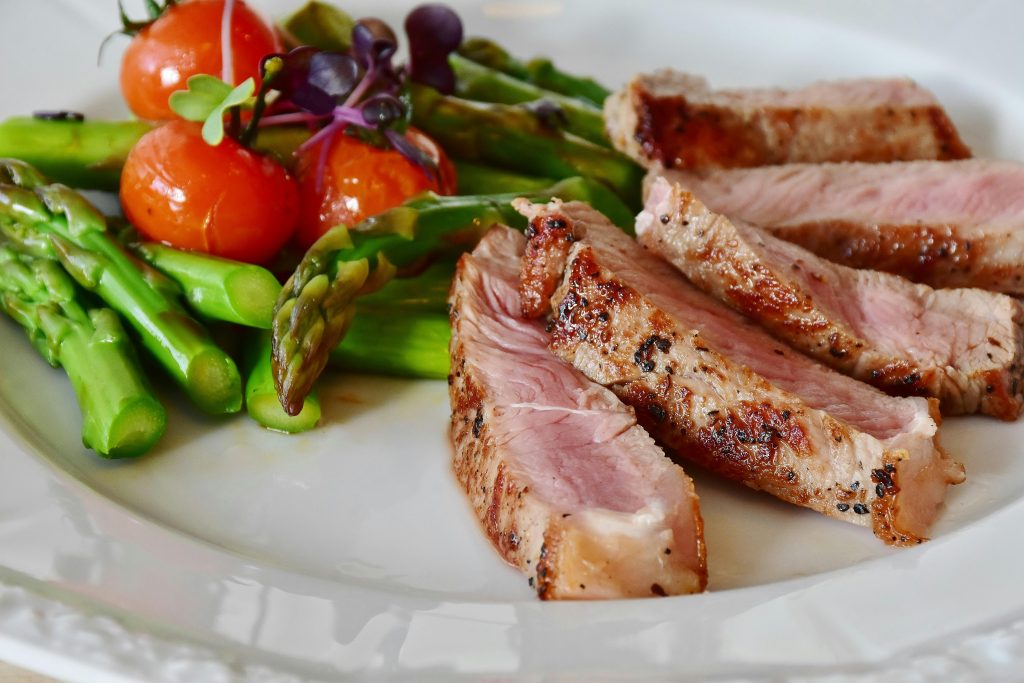
Why is protein intake so important for mid-life women?
Protein intake becomes increasingly important for women over 40 due to the physiological changes that occur with age. These changes affect muscle mass, metabolism, bone health, and overall well-being. Here’s why protein is crucial:
1. Preserves Muscle Mass
- Age-related muscle loss: Starting around age 30, women can lose 3–8% of their muscle mass per decade, a process called sarcopenia. This accelerates after 40.
- Adequate protein intake helps slow muscle loss and supports muscle repair and growth, especially when combined with resistance exercises.
2. Supports Metabolism
- Muscle mass contributes significantly to resting metabolic rate (RMR). Losing muscle can reduce RMR, making it easier to gain fat.
- Protein helps maintain muscle, which supports a healthy metabolism and weight management.
3. Improves Bone Health
- Osteoporosis risk increases in women after 40 due to declining estrogen levels, which affect bone density.
- Protein is essential for bone matrix formation and works synergistically with calcium and vitamin D to support strong bones.
4. Enhances Weight Management
- Protein is highly satiating, helping to reduce hunger and prevent overeating.
- A higher-protein diet can promote fat loss while preserving lean muscle, which is especially beneficial during menopause when hormonal changes can lead to fat redistribution.
5. Supports Skin, Hair, and Nails
- Protein provides amino acids like collagen and keratin, vital for maintaining the strength and elasticity of skin, hair, and nails, which may show signs of aging after 40.
6. Helps Balance Hormones
- Certain amino acids in protein-rich foods support the production of hormones and enzymes, which play key roles in energy levels, mood, and overall health as hormonal shifts occur with age.
7. Boosts Immune Function
- Protein is essential for producing antibodies and immune cells, which is particularly important as the immune system naturally weakens with age.
Practical Tips for Women Over 40
Combine with strength training: Exercise enhances protein’s benefits for muscle and bone health.
Distribute protein throughout the day: Aim for 20–30 grams per meal to maximize muscle protein synthesis.
Prioritize high-quality protein: Include lean meats, fish, eggs, dairy, legumes, and plant-based options like quinoa and tofu.
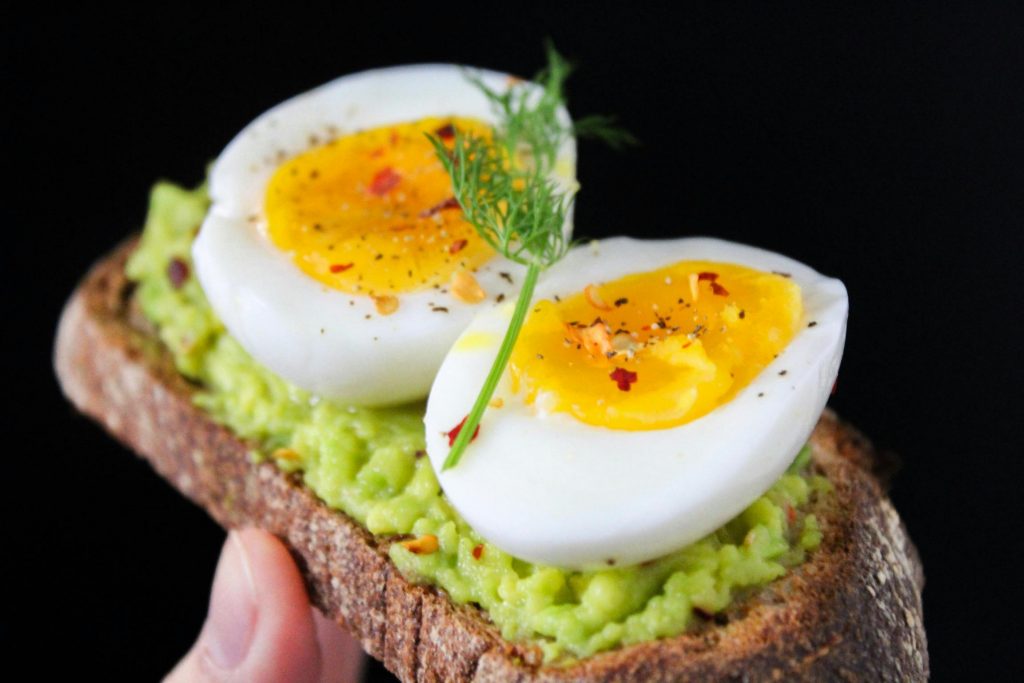
Planning meals for increasing protein
I started strength training at the gym about 2 years ago. Before that I would dip in and out and do other activities like running and playing team sports, I loved soft ball. I had never considered the role of protein, although I am not a vegetarian my meal planning was sporadic at best. I ate relatively well but loved my carbohydrates (sugar) which started to show as my metabolism slowed down with age and the menopause kicked in!
I have never had an issue with weight so this led me into exploring why my body was changing and why I couldn’t lose/maintain my weight like I used too. As we get beyond 40 there are changes within our body that we have to face head on, it can feel disheartening and like we are losing a part of ourselves, this is when we need to look into our habits and routines.
Whatever bad habits we had prior to turning 40 years old they will start to reveal themselves in weight gain or aches and pains.
Here’s a sample meal plan that I designed to help me reach 100 grams of protein in a balanced and enjoyable way. This plan distributes protein evenly throughout the day to optimize muscle protein synthesis and includes a variety of foods for taste and nutrients.
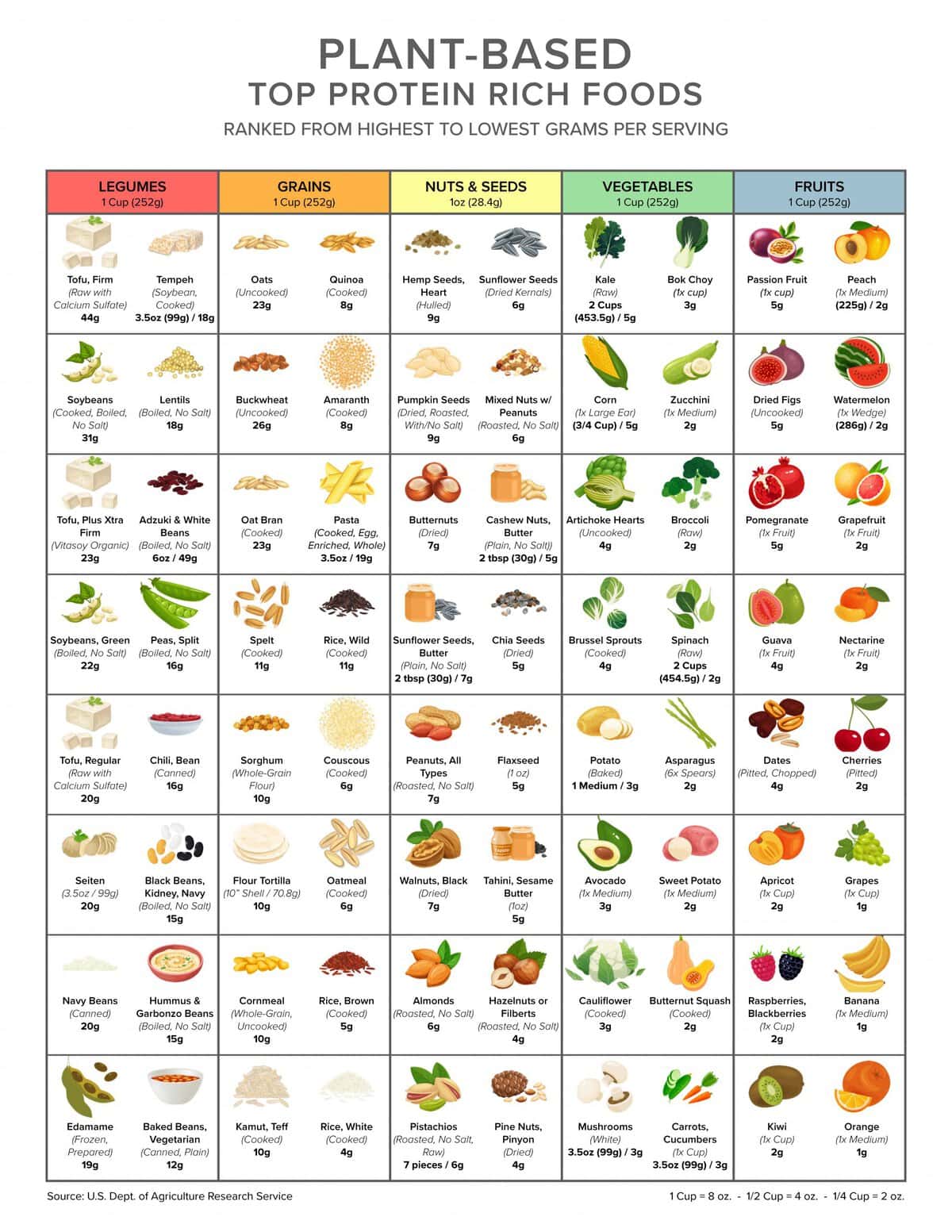
This is just a sample so if you are a vegetarian or vegan there are other considerations and you will need to plan much more carefully and do your own research. The key is to ensure that with every meal you are thinking about protein, use the chart in the resources below to understand the different food groups and the quantities of protein within those foods.
Look at the foods that you eat already and enjoy and then gradually introduce new foods, for example I now eat more lentils and quinoa to get to my daily quota. I also eat more nuts and seeds as snacks and I have dramatically cut down on carbs, especially bread and pasta. I have the protein charts below stuck to the front of my fridge which is a regular reminder to get my protein in with every meal. I also invested in some digital scales and weigh my food where required to get an accurate intake.
Ideally you want to be eating in a 8-10 hour window and I now use intermittent fasting which massively helps with weight loss as well as balancing menopausal hormones. My go to expert on this is Dr Mindy Pelz and I have her new cookbook Eat Like A Girl. I will cover intermittent fasting and the menopause in later posts.
Breakfast (30g Protein)
Meal: Greek Yogurt Parfait
- Ingredients:
- 1 cup non-fat Greek yogurt (20g protein)
- 1 tablespoon chia seeds (2g protein)
- 1/4 cup granola (3g protein)
- 1/2 cup mixed berries (0.5g protein)
- 1 tablespoon almond butter (4g protein)
Total Protein: ~30g
Mid-Morning Snack (15g Protein)
Meal: Protein Smoothie
- Ingredients:
- 1 scoop whey or plant-based protein powder (20g protein; adjust if lower)
- 1 cup unsweetened almond milk (1g protein)
- 1/2 frozen banana (0.5g protein)
- 1 handful spinach (1g protein)
Total Protein: ~22g (adjusted for smaller serving)
Lunch (30g Protein)
Meal: Grilled Chicken Salad
- Ingredients:
- 4 oz grilled chicken breast (28g protein)
- 2 cups mixed greens (1g protein)
- 1/4 cup shredded carrots (0.5g protein)
- 1/4 cup chickpeas (3g protein)
- 1 tablespoon olive oil & vinegar (0g protein)
Total Protein: ~32.5g
Afternoon Snack (10g Protein)
Meal: Hard-Boiled Eggs with Almonds
- Ingredients:
- 2 hard-boiled eggs (12g protein)
- 10 almonds (2.5g protein)
Total Protein: ~14.5g
Dinner (25g Protein)
Meal: Baked Salmon with Quinoa and Vegetables
- Ingredients:
- 4 oz baked salmon (25g protein)
- 1/2 cup cooked quinoa (4g protein)
- 1 cup steamed broccoli (3g protein)
- 1 teaspoon olive oil for cooking (0g protein)
Total Protein: ~32g
Optional Evening Snack (10g Protein)
Meal: Cottage Cheese and Fruit
- Ingredients:
- 1/2 cup low-fat cottage cheese (14g protein)
- 1/4 cup pineapple chunks (0.5g protein)
Total Protein: ~14.5g
Tips for Meal Prep and Flexibility
Season creatively: Use herbs, spices, and low-calorie dressings for flavor without excess calories.
Prep ahead: Grill chicken, boil eggs, and make a large batch of quinoa to save time.
Swap options: Switch salmon for tofu or turkey, yogurt for cottage cheese, or add lentils instead of chickpeas.
Top tips on incorporating more protein into your diet
1. Prioritize Protein at Every Meal
- Build meals around protein: Start with your protein source (e.g., chicken, eggs, tofu) and then add veggies, grains, and fats.
- Set a protein target per meal: Aim for 20–30 grams per meal.
2. Snack Smart
- Choose protein-rich snacks like:
- Greek yogurt
- Hard-boiled eggs
- Cheese sticks
- Protein bars or shakes
- Edamame
- Nuts and seeds (pair with a high-protein food for balance)
3. Use Protein Supplements
- Add whey, casein, or plant-based protein powders to:
- Smoothies
- Oatmeal
- Pancakes or waffles
- Look for powders with 20–30 grams of protein per serving.
I love Purition and go for the vegan option as I don’t like the dairy in the regular version. This one seems to be one of the cleaner protein powder options.
4. Add Protein to Breakfast
- Swap cereal or toast for:
- Scrambled eggs or an egg white omelet.
- Greek yogurt with fruit and granola.
- Cottage cheese with fresh fruit.
- Use high-protein bread or bagels for an easy upgrade.
This was the single most important thing I changed that helped me lose weight. If you are sitting at a desk all day you don’t need carbs in the morning! Focus on protein and healthy fats for brain function.
5. Sneak Protein into Recipes
- Add beans, lentils, or chickpeas to soups, salads, and casseroles.
- Use quinoa instead of rice—it has more protein.
- Mix nuts or seeds into yogurt, oatmeal, or salads.
6. Choose High-Protein Alternatives
- Opt for high-protein versions of common foods, such as:
- High-protein pasta (made from lentils or chickpeas).
- Protein-enriched bread, cereals, and snacks.
- Dairy products like high-protein milk or yogurt.
7. Incorporate Plant-Based Proteins
- Include tofu, tempeh, edamame, seitan, and legumes in meals.
- Combine plant proteins for a complete amino acid profile (e.g., rice and beans).
8. Include Protein-Rich Toppings
- Sprinkle hemp seeds, chia seeds, or ground flaxseeds on oatmeal, yogurt, or salads.
- Add shredded cheese, diced chicken, or boiled eggs to soups and stews.
9. Eat Protein Before Carbs
- Eating protein first can help you feel fuller, stabilize blood sugar, and manage cravings.
10. Make Batch-Prep Easy
- Grill or bake several portions of lean meats or tofu at once for use in meals throughout the week.
- Boil eggs and store them in the fridge for quick snacks.
11. Experiment with New Recipes
- Try making protein-rich baked goods, like:
- Protein pancakes or muffins (use protein powder).
- Chickpea-based cookie dough or brownies.
- Explore recipes for high-protein soups, stir-fries, or casseroles.
12. Stay Hydrated
- Drinking enough water helps with digestion and muscle recovery, especially when increasing protein intake. I aim for 1.5 to 2 litres a day of spring water. Keep it on your desk in your favourite bottle and keep sipping throughout the day. Also get it in when you go to the gym.
13. Track and Adjust
- Use a food diary or tracking app like MyFitnessPal to monitor your protein intake and identify areas for improvement.
Handpicked Support for Your Midlife Journey:
Some of the links below may be affiliate links in the future. I only ever recommend products and resources I truly believe in.
📝 Journal Prompts & Reflection Ideas
Great protein chart that you can download and print, I stick this to my fridge to keep protein front of mind for every meal.
Conclusion: If my future self could have told me…

- Stop relying on carbohydrates for energy when I don’t need them.
- Start meal planning and really thinking about the food groups and nutrients I am putting into my body.
- Think about the purpose of each food group and use accordingly e.g good fats for focus and work, carbs for activity and movement.
- Stop eating processed foods and cook everything from scratch.
- Eat more vegetables!
- Treat my body like a temple, appreciate it and learn about it.
- Cut down on sugar!
- Read food labels, understand what I’m putting in my body.
- Eat from as close to nature/source as possible.



Such an important topic, Keep up the awesome content! When I started my weight loss journey, I struggled much until I tried Diet-To-Go Meal Service. Their pre-portioned recipes saved me so much time and helped me stay on track. Your post reminded me how important this balance is—here’s the link if it helps others.
Thank you so much for your comment Linda, it really is an important topic, especially for post menopausal women. Wishing you lots of success on your weight loss journey, you may like my intermittent fasting post too. I have also been feeling amazing after taking my collagen supplement every morning, no more aches and pains!
This is a crucial subject—keep producing such remarkable content! Someone shared their personal weight loss story, highlighting the difficulties they encountered before discovering the Diet-To-Go Meal Service. They noted that the pre-portioned meals saved them time and supported their commitment to their goals. The conversation is a reminder of how essential balance is to the weight loss journey. For those who may find it useful, here’s the link they provided.