
Codependent relationship meaning – understanding the impact on your relationships and how to heal from codependency
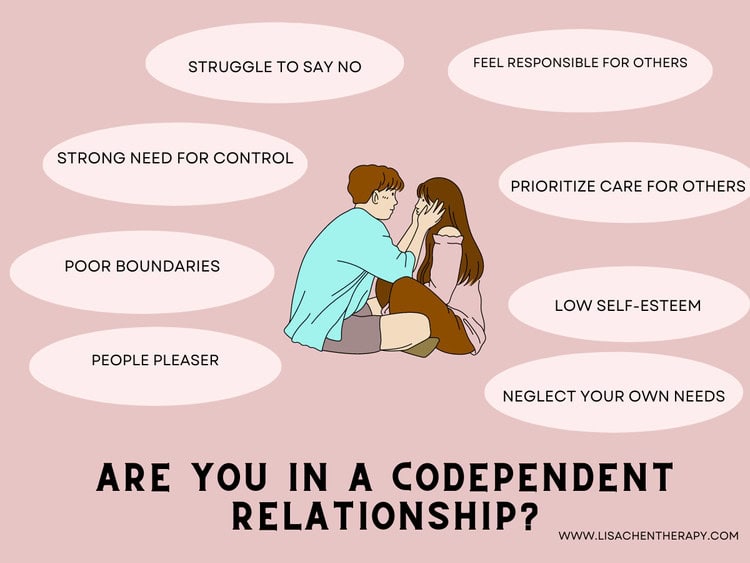
Codependency revolves around an unhealthy dependency on external validation and a compulsive need to “fix” or take care of others, often at one’s own expense. The key signs and characteristics of being codependent reflect patterns of behavior, emotions, and relationships that prioritize others’ needs over one’s own, often to an unhealthy extent. These traits can manifest in various types of relationships, including romantic, familial, and even friendships.

Healing from codependency means learning to value yourself, embrace your independence, and build relationships based on mutual respect and support. By addressing the underlying patterns and fostering emotional resilience, you can create a more balanced and fulfilling life.
What are the key signs you may be codependent?
When you are in the depths of codependent behaviours it can be so hard to recognise what you are doing. Women especially are encouraged to be kind, giving and self sacrificing, it can be really confusing to isolate specific behaviours until we feel the hurt, impact and damage that codependence inflicts on relationships.
How Codependency Feels Internally
- Overwhelmed or burned out from constantly giving.
- Resentful towards others for taking advantage, yet unable to confront them.
- Conflicted between wanting to help and feeling trapped by the role of caretaker.
- Lonely or unfulfilled, despite being surrounded by people.
[Take this free test for codependency →] https://start2stop.co.uk/screening-tests/are-you-codependent/
Key Characteristics of Codependency
1. Excessive Caretaking
- Feeling overly responsible for others’ well-being, happiness, or actions.
- Constantly trying to fix or solve others’ problems, even when unasked.
- Sacrificing personal needs to care for or support others.
2. Low Self-Esteem
- Struggling with feelings of inadequacy or self-doubt.
- Deriving self-worth from helping or pleasing others rather than intrinsic qualities.
- Feeling unlovable unless they are “needed” by someone else.
3. Poor Boundaries
- Difficulty saying “no,” even when overwhelmed or uncomfortable.
- Allowing others to overstep personal boundaries without confrontation.
- Feeling guilty or anxious about asserting personal needs or limits.
4. Over-Focus on Others
- Prioritizing others’ feelings, desires, and opinions over their own.
- Being preoccupied with solving someone else’s problems, especially those involving addiction, irresponsibility, or emotional instability.
- Neglecting personal goals, interests, or health to focus on others.
5. Control Issues
- Attempting to control situations or people to prevent perceived chaos or harm.
- Believing they know what’s best for others and feeling frustrated when others don’t follow their advice.
- Often enabling harmful behaviors (e.g., substance abuse) to maintain control or avoid conflict.
6. Fear of Abandonment or Rejection
- Deep-seated fear of being alone or unloved.
- Staying in unhealthy relationships out of fear of losing the connection.
- Suppressing personal feelings or opinions to avoid conflict or disapproval.
7. Difficulty Identifying or Expressing Emotions
- Struggling to recognize their own needs, feelings, or desires.
- Minimizing their emotions or believing they are unimportant compared to others.
- Avoiding conflict or suppressing emotions to maintain harmony.
8. People-Pleasing Behavior
- Seeking validation through being overly accommodating or agreeable.
- Feeling anxious or guilty when not meeting others expectations.
- Taking excessive measures to avoid displeasing others, often at personal cost.
9. Dependence on Approval
- Constantly seeking reassurance, praise, or affirmation from others.
- Feeling empty, anxious, or depressed without external validation.
- Becoming overly attached to relationships, even unhealthy ones, as a source of self-worth.
10. Tolerating Unhealthy or Abusive Behavior
- Remaining in relationships that involve neglect, abuse, or dysfunction.
- Justifying or excusing others harmful actions to avoid conflict or abandonment.
- Internalizing blame for the relationship’s problems or for the other person’s behavior.
Origins of Codependency
Codependency often stems from family dynamics, such as growing up in an environment with addiction, abuse, or neglect. In these contexts, children may adopt a caretaker role to cope with dysfunction, leading to patterns of codependency in adulthood.
It took me a long time to understand that I was codependent, life and intimate relationships felt chaotic and confusing and I was always left feeling alone, depleted and unloved. Many people who are codependent also have an Anxious Attachment Style that plays into the beliefs and behaviours, I will be talking about all of this in other posts.
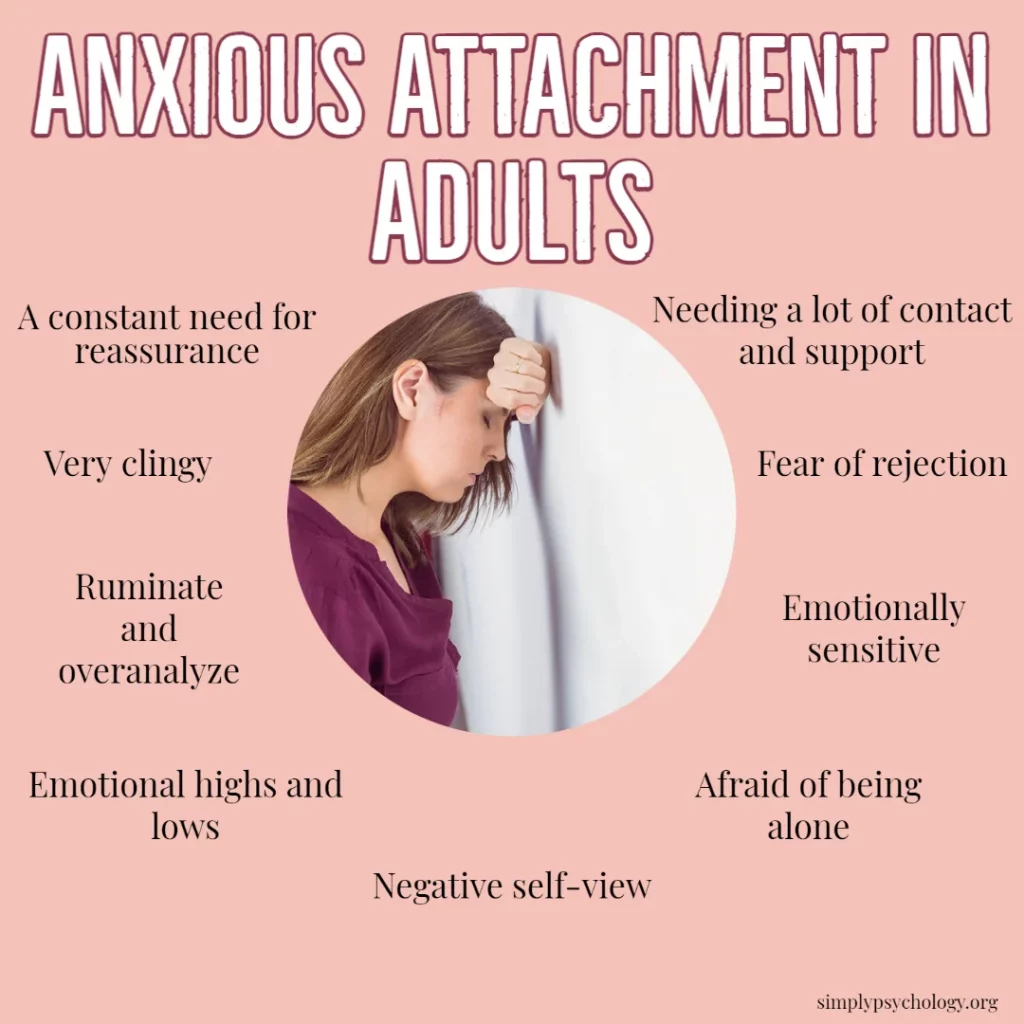
There tends to be a real stigma and negative association with codependence as it’s perceived as “needy”, often by those with Avoidant attachment styles! We often feel “too much” or “not enough” and that our basic needs are just too much to meet.
FACT: Our need for someone to share our lives with is part of our genetic makeup and has nothing to do with how much we love ourselves or how fulfilled we feel on our own, we are tribal beings and are designed to depend on each other for survival!
My codependence originated from divorced parents and becoming the care taker of both my mum and younger brother. My mum went into a complete melt down when my dad disappeared one morning under the guise of going to the hairdressers never to return, I was 7 years old. Unfortunately she didn’t have the inner resource to cope with two young children and hold the emotional space needed to reassure us and give us the safety we so desperately craved and deserved.
To alleviate the upset and chaos around me and to please her (she would often go into rages and her moods were very unstable) I developed the habit of ignoring my own needs and becoming a mini grown up, shouldering all the adult responsibility and trying to be the “perfect” daughter.
Moving into adulthood I of course replicated these environments and chose partners that I could unconsciously help or fix to feel needed and valued. This wasn’t a conscious choice and caused me so much pain and dissapointment, I always ended up feeling let down.
Can you recognise any of the above patterns in your own life?
It’s often so hard to admit to yourself because it’s seen as “caring” behaviour and “kind”, after all you are helping people right, how can that be dysfunctional! Honestly, when I look back I can now see it as very disempowering for the people around you, it’s like saying to them “I don’t trust you enough to take care of your own life and needs”, it creates an unhealthy dependence that often ends up in resentment and feeling stifled by your partner.
So, now we understand a little about the codependent relationship meaning let’s look into how we can start to heal and build really loving and healthy connections with those we love. People who have developed codependency or an anxious attachment style are some of the most loving, intuitive and gentle souls. With a few tweaks and inner work we can begin to give ourselves all that love and adoration we give to others.
Breaking free from codependency
Healing from codependency involves a journey of self-awareness, boundary-setting, emotional growth, and building healthy, balanced relationships. While it can take time, recovery is absolutely possible with consistent effort and support.
1. Acknowledge the Issue
- Recognize Codependent Behaviors: Reflect on patterns in your relationships, such as excessive caretaking, people-pleasing, or neglecting your needs.
- Accept Responsibility: Acknowledge that while you may not control others behaviors, you have control over your responses and choices.
2. Seek Professional Help
- Therapy: Work with a licensed therapist, especially one familiar with codependency, childhood trauma, or relationship dynamics.
- Cognitive Behavioral Therapy (CBT) can help challenge unhealthy thought patterns.
- Trauma-focused therapy may be beneficial if your codependency stems from past trauma or dysfunctional family dynamics.
- Support Groups: Join groups like Codependents Anonymous (CoDA) to share experiences and learn from others in similar situations.
3. Build Self-Awareness
- Understand Your Triggers: Identify what situations, behaviors, or emotions prompt codependent tendencies.
- Explore Root Causes: Reflect on past experiences, such as childhood dynamics or past relationships, that contributed to your codependent patterns.
4. Focus on Self-Care
- Prioritize Your Needs: Make time for activities that nurture your physical, emotional, and mental well-being.
- Reconnect with Hobbies and Interests: Engage in things that bring you joy or help you discover your identity outside of relationships.
- Practice Self-Compassion: Treat yourself with kindness and understanding as you unlearn old habits.
5. Learn to Set and Enforce Boundaries
- Identify Your Limits: Understand what behaviors, demands, or situations feel uncomfortable or overwhelming for you.
- Practice Saying No: Politely but firmly decline requests that overextend you or compromise your well-being.
- Communicate Clearly: Express your needs and boundaries openly and without guilt.
6. Develop Healthy Relationship Patterns
- Seek Balance: Aim for mutual respect and give-and-take in relationships.
- Stop Enabling: Resist the urge to fix, rescue, or take responsibility for others problems.
- Encourage Independence: Support others in solving their own challenges rather than stepping in.
7. Build Emotional Independence
- Develop Self-Esteem: Cultivate a sense of self-worth that isn’t dependent on others approval or validation.
- Practice Mindfulness: Stay present with your emotions, and avoid over analyzing or controlling others feelings.
- Challenge Negative Beliefs: Replace thoughts like “I’m only valuable if I help others” with affirmations of intrinsic self-worth.
8. Address Fear of Abandonment
- Reframe Fear: Understand that healthy relationships don’t require sacrificing yourself to avoid rejection.
- Build a Support System: Surround yourself with friends, mentors, or community members who encourage your growth and independence.
- Learn to Be Alone: Spend time with yourself to become comfortable being your own source of happiness.
9. Practice Gratitude and Positivity
- Focus on the progress you’re making, no matter how small.
- Acknowledge the positive aspects of your life and relationships.
- Celebrate your victories in setting boundaries or advocating for your needs.
10. Be Patient with Yourself
- Understand It’s a Process: Change takes time and effort; be forgiving if you fall back into old habits occasionally.
- Stay Committed: Remind yourself of why you’re making these changes and the benefits of a healthier, more fulfilling life.
One of the best and most healing ways I have found to overcome codependency is building knowledge and self-awareness. Over the years I am proud to say that I have moved into a much more securely attached model of behaviour, this has had a huge impact on my mental health and well being. Julie Menanno is a leader and expert in attachment styles, this is a great video to start you off in understanding the dynamics in relationships and anxious attachment.
Handpicked Support for Your Midlife Journey:
Some of the links below may be affiliate links in the future. I only ever recommend products and resources I truly believe in.
As an Amazon Associate I earn from qualifying purchases.
📚 Books I Love for This Topic
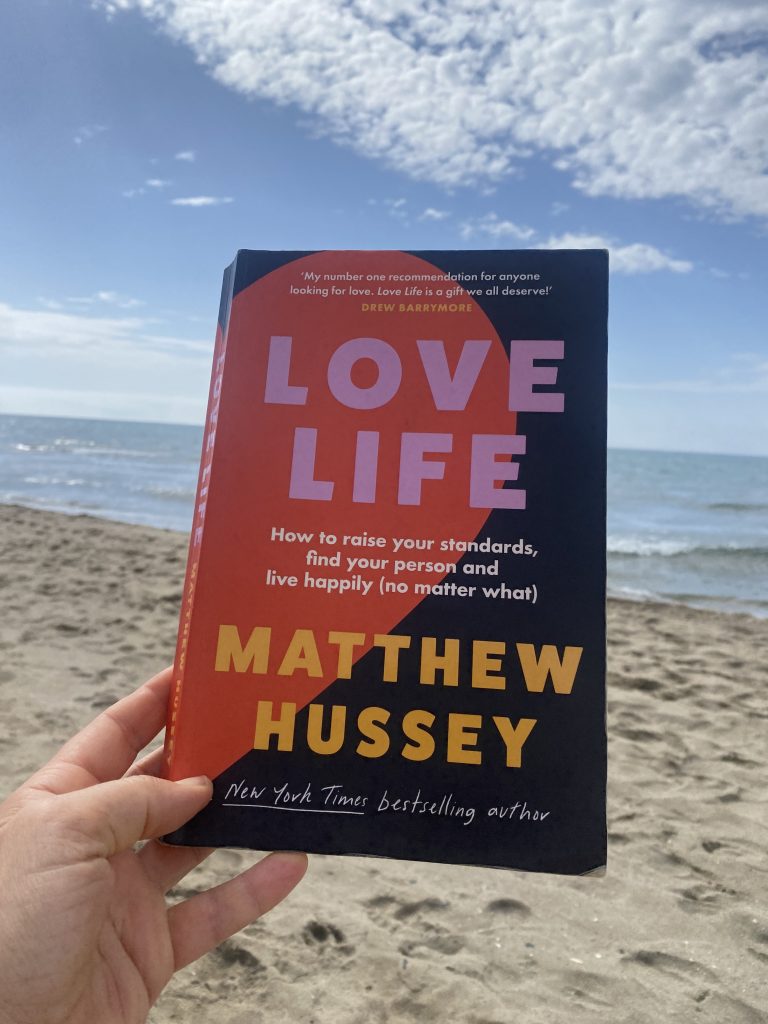
These books completely changed my life and perspective on codependency and relationships. They gave me hope and tools and helped me to build self compassion and self love.
- Codependent No More by Melody Beattie
- Attached by Amir Levine and Rachel S.F. Heller
- Secure Love by Julie Menanno
- Calling In The One by Katherine Woodward Thomas
📝 Journal Prompts & Reflection Ideas
- Journaling: Reflect on your thoughts, emotions, and progress regularly.
- Meditation and Relaxation Techniques: Use mindfulness practices to reduce anxiety and ground yourself.
- Courses: Calling In The One by Katherine Woodward Thomas (life changing)!
Conclusion: If my future self could have told me…

- Drop into my heart and notice how people actually FEEL to me. Notice the tone of connection between us instead of external attributes.
- Give myself what I need before anyone or anything else.
- Start being completely honest with myself and telling myself the absolute truth.
- Respect my own need for space and my spiritual practice and fully commit to it no matter what else is going on in my life.
- Stay committed to my own personal growth and evolution and never compromise this even if others don’t have an interest in personal development, stay true to myself and my core values.
- Always respect my love for animals and Pips and Rio (my cats) no matter what others think and feel. I will never again compromise their happiness or well-being for anyone or anything. (long story, an ex-partner was allergic and non animal lover!)
- Always treat myself with kindness and gentleness and meet ALL my feelings with acceptance, love, support and empathy.
- Be present with all of me, spend quality time in my own company and listen to and love myself, be my own best friend.
- BE and emulate the qualities I want to attract in my life. If I desire love, BE love, if I desire friendship BE a great friend.
- Create a relaxed, calm and beautiful environment for me to live in always. I will always listen to my intuition and feel into any new home.
- Always show up for me and have my back in all areas of my life. I feel safe in the knowledge that I have me.
- Meet me and connect with me on a deep level.
- Take the time to hear me, see me and fully support me.
- Honour and prioritize my dreams, aspirations and happiness above all else, like my life depends on it.