

Serious Questions To Ask Your Partner – Is It Make Or Break?
How Did We Get To This Point?
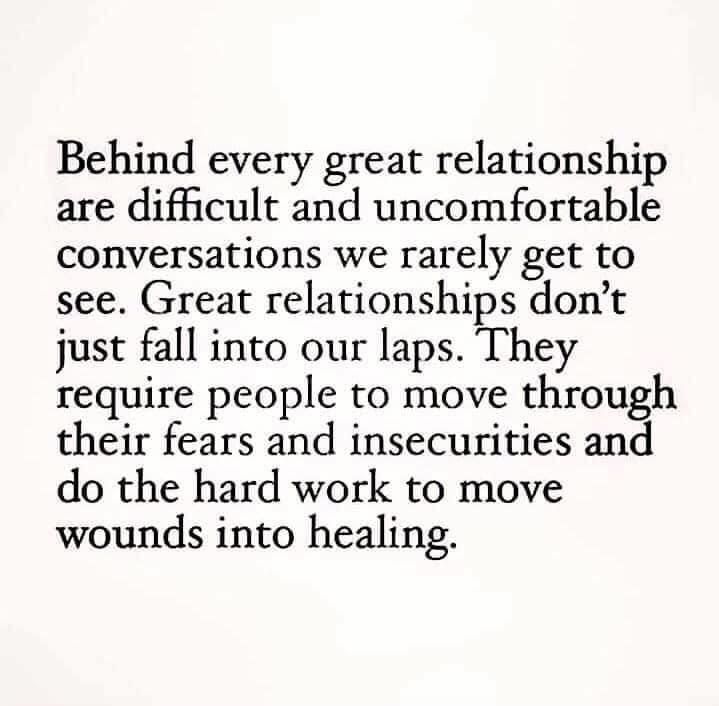
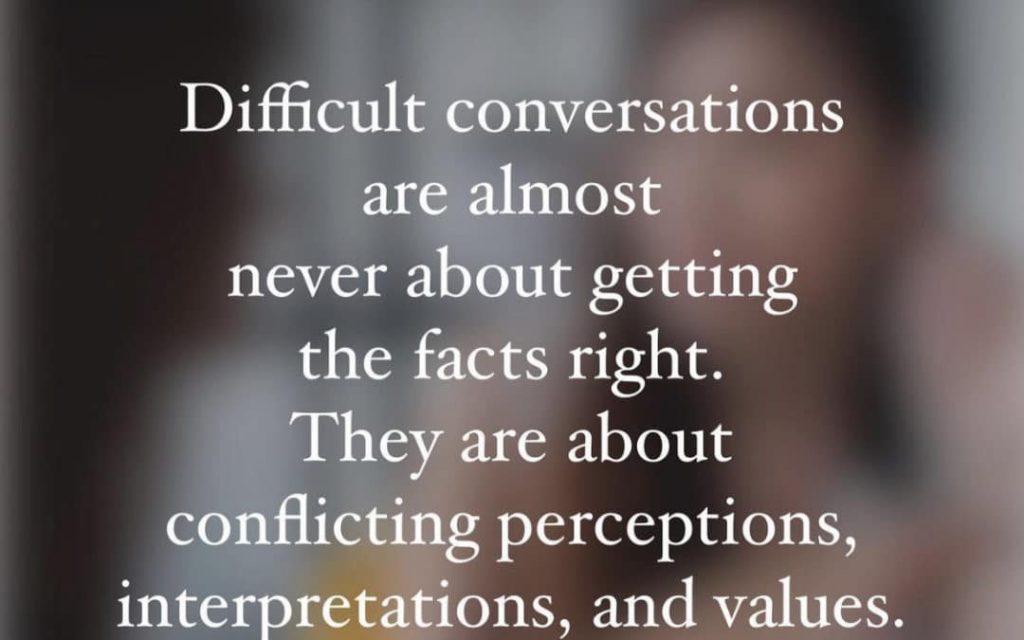
It’s the question we all ask ourselves when we sit there in deep bewilderment and confusion as to why our relationship has come to the point of make or break. When a relationship starts to feel uncertain—when the connection that once felt effortless now feels strained or distant—it can be hard to know what to say, or even where to begin. Do you talk about what’s not working? Do you stay and try to rebuild, or walk away with grace? These conversations are some of the hardest we ever have—but they’re also some of the most important.
There are many reasons why a relationship can break down, I wrote more about this in Midlife Divorces Are Mostly The Result Of..
In this post, we’ll walk through how to approach tough relationship conversations with clarity, compassion, and courage—plus give you powerful reflection questions to help both of you figure out where you stand, what you need, and whether your relationship still has room to grow.
How Do You Even Begin To Know Where To Start?
So where do you even begin when the stakes feel this high? The truth is, how you start the conversation often shapes how it ends. Begin by setting the intention—not to fight or fix everything—but to understand each other more deeply. Choose a time when neither of you is emotionally flooded, rushed, or distracted. Say something like, “I’d love to have a conversation about where we are and how we’re feeling—can we find a time that feels good for both of us?” From there, establish a few simple but sacred ground rules: no interrupting, no blame, speak from the “I,” and take breaks if things get heated.
It’s not about perfection—it’s about creating a space where honesty feels safe and compassion can stay in the room, even when it’s hard.
Before the Conversation: Prepare Yourself
- Clarify Your Intention:
Ask yourself: What do I hope to gain from this conversation? Is it understanding? Closure? Reconnection? Boundaries?
Your intention will shape your tone and openness. - Regulate Your Emotions:
Try journaling or talking to a neutral third party (like a therapist or trusted friend) first, so you’re not unloading everything raw. - Choose the Right Moment:
Pick a time and space where you both can be present, undistracted, and feel safe to talk honestly.
Sometimes the root of our disconnection isn’t just what’s happening now—it’s how we got here. Many of us enter relationships not purely from alignment, but from a place of longing, loneliness, fear of being alone, or the hope that love will “fix” what’s unsettled in us. In the beginning, we might overlook incompatibilities, quiet red flags, or unmet emotional needs—telling ourselves the connection is enough. But over time, those cracks widen. What once felt romantic can start to feel like resistance. You wake up one day and realize: we built something beautiful—but maybe we built it on different blueprints.
Misalignment doesn’t mean failure. It means it’s time to get honest. To ask: Did we come together out of wholeness—or out of wounding? And now that we know each other more deeply, is there still space for both of us to grow, together?
Tips for the Emotional Tone:
- Soft start-ups: Gentle, not abrupt. Don’t ambush them.
- Curiosity over judgment: “Help me understand…” instead of “Why did you…”
- Validating even if you disagree: “I can see how that hurt you, even if it wasn’t my intention.”
- Tears are okay: Vulnerability is often the bridge to closeness.
Top 8 Tips On How To Keep It Safe and Compassionate
1. Your Goal Is Understanding, Not Winning
Go in with the mindset: “I want to understand and be understood.”
This isn’t a courtroom—you’re not trying to prove who’s right or wrong. You’re both trying to understand your pain, your needs, and whether there’s a shared path forward.
Ask yourself: Would I rather be right—or be real, open, and connected?
2. Lead With Vulnerability, Not Blame
Vulnerability invites vulnerability. If you open with, “I feel like we’re drifting and I’m scared of where we’re going,” that hits way differently than “You don’t care anymore.”
Speak from the “I”—your experience, your needs, your pain.
Try: “I miss us and I don’t know how to get back to you.”
3. Create Emotional Safety
It’s hard to be honest when either person feels like they’ll be punished for it.
Make it safe to be real—even if what you hear is hard.
Ways to create safety:
- Don’t interrupt.
- Don’t try to “fix” everything right away.
- Validate before debating (“I get why that would feel that way.”)
- Take breaks if emotions boil over.
4. Let It Be a Dialogue, Not a Dump
This shouldn’t be one person unloading everything while the other sits frozen. Think of it like dancing—not a monologue.
Ask:
“How does that land for you?”
“Does that make sense?”
“What’s coming up for you as I share this?”
5. Be Curious, Not Defensive
If something they say hits a nerve, breathe. Instead of reacting, try to wonder why they feel that way—even if you disagree.
Instead of: “That’s not what happened!”
Try: “I didn’t see it that way—but I want to understand how it felt for you.”
6. Stay Grounded in the Present—and Open to the Future
It’s easy to spiral into a highlight reel of every past wound. But the point of this conversation is to figure out:
- Where are we now?
- Can we understand each other better?
- Is there a path forward that feels right?
Don’t try to solve everything in one go. You’re just trying to build a bridge between where you are and where you could go.
7. Remember the Love—Even in the Hard
Even if you’re hurt, even if you’re unsure you want to stay, remembering the love and care you once had can soften the tone. This is someone whose inner world you once cherished.
You can say:
“Even if we’re not okay, I still care deeply about you.”
“No matter what we decide, I want us to treat each other with respect and kindness.”
8. Don’t Rush the Outcome
You don’t have to walk away from the conversation with a final decision. You might need time. That’s okay.
You can agree to:
- Reflect more individually.
- Talk again in a few days.
- Try counseling or time apart.
- Pause without pressure.
Healing (or uncoupling) is a process, not a one-conversation event.
The Issue Of Compatibility
Love may spark the connection—but compatibility is what helps it last. So many relationships begin with chemistry, shared laughter, or the comfort of closeness, but over time, something deeper is revealed: do our values align? Do our emotional rhythms match? Do we want the same things—not just in the far-off future, but in the day-to-day reality of partnership? Compatibility isn’t just about common interests or lifestyles—it’s about whether two people can truly meet each other in how they give and receive love, handle conflict, process emotions, and grow.
It’s not a question of do we love each other?—it’s can our love actually work in the long run? When compatibility is strong, love feels like a safe place to land. When it’s missing, even deep feelings can start to feel like friction. This is where the real questions begin—and where clarity starts to form.
Reflective compatibility questions:
Emotional & Communication Compatibility
- Do I feel emotionally safe being my full self with this person?
- When we fight or disagree, do we move toward repair—or stay stuck in blame or distance?
- Do I feel heard and understood—even when we don’t agree?
- Do we handle stress and emotional challenges in ways that complement or clash with each other?
- Can we be emotionally vulnerable with one another without fear of judgment, withdrawal, or shutdown?
Values & Life Vision Compatibility
- Are our core values aligned (family, money, freedom, intimacy, ambition, spirituality, etc.)—or are they in quiet conflict?
- Do we want the same things out of life—not just in 5 years, but now?
- Have we ever talked openly about our individual dreams and whether we can still support each other in them?
- Are we growing in the same direction, or growing apart?
- Do we respect each other’s sense of purpose and vision, even if it’s different from our own?
Intimacy & Physical Compatibility
- Do we share similar needs or desires for affection, touch, and physical connection?
- Do I feel desired and emotionally connected when we’re intimate—or is it mechanical, strained, or absent?
- Can we talk openly about sex, pleasure, and boundaries without shame or shutdown?
- Is the way we express love (love languages, affection styles) compatible or at least understood and respected?

Mental & Intellectual Compatibility
- Can we have meaningful conversations that stimulate both of us?
- Do we challenge and inspire each other, or do we mostly operate in separate mental spaces?
- When we disagree intellectually, can we do so with curiosity—or do we shut down or get defensive?
Conflict & Problem-Solving Compatibility
- Do we approach problems as a “we”—or do we fall into “me vs. you”?
- Can we disagree respectfully and still stay emotionally connected?
- Are we compatible in how we navigate hard conversations—timing, tone, need for space, resolution?
Emotional Regulation & Nervous System Compatibility
- When I’m around this person, do I feel calm, grounded, and safe—or constantly on edge?
- Can we co-regulate each other in difficult moments, or do we escalate and dysregulate more?
- Do we share a similar pace in how we process emotions—fast/slow, expressive/quiet, reactive/calm?
Final Compass Questions
- Are we truly good for each other—or just familiar to each other?
- Is our love nurturing both of our growth—or holding us in patterns that hurt us?
- If we met for the first time today, would I choose them again—based on who we are now?
- If nothing changed, could I live with this relationship as it is today—for the next 5 years?
Deeper Relationship Questions to Explore
On the Current State of the Relationship
- How do I truly feel in this relationship right now—emotionally, mentally, and physically?
- What feels broken, missing, or painful between us?
- When did I start feeling a shift? What changed for me?
- What patterns or dynamics keep repeating that leave me feeling hurt or misunderstood?
- Am I still showing up with love, or am I more often showing up with resentment, apathy, or frustration?
On Hope and Desire
- What parts of “us” do I still believe in?
- Do I still want to build a life with this person? Why or why not?
- If we could heal and rebuild—what would that look like? What would I need to feel safe and loved again?
- Am I open to trying again? What boundaries or changes would need to be in place for that to feel right?
On Responsibility and Growth
- What have I contributed—intentionally or unintentionally—to the disconnection?
- Have I been avoiding certain truths or conversations out of fear or exhaustion?
- What do I need to own and take responsibility for?
- What would it take for me to show up more honestly and fully in this relationship, moving forward—regardless of the outcome?
On Love and Connection
- Do I still feel emotionally connected to my partner—or more like we’re coexisting?
- When was the last time I felt really seen by them? When did I last really see them?
- What do I admire or respect about my partner, even now?
- Have we lost each other—or just lost our way for a while?

On the Future
- Can I imagine a future where we’ve healed and reconnected? What does it look and feel like?
- Am I afraid of staying—or am I more afraid of leaving?
- If we do part ways, what would I want that process to look like? How can we do that with grace and love instead of blame or regret?
Final Thoughts
No matter where you find yourselves right now—whether standing at a crossroads, quietly questioning, or reaching for each other through the distance—know this: it takes courage to pause, reflect, and speak the truth.
Relationships aren’t just built on love; they’re sustained by alignment, effort, and the willingness to see each other clearly. Whether your path leads to rebuilding or gently parting ways, let the process be one of tenderness, not judgment. You are not failing by asking hard questions—you are honoring yourselves by seeking honesty and depth.
Every conversation rooted in care brings you closer to clarity. And whatever comes next, you deserve a love that feels safe, mutual, and true. Sometimes that means staying. Sometimes that means letting go. But either way, you’re allowed to choose what honors your heart.
Handpicked Support for Your Midlife Journey:
Some of the links below may be affiliate links in the future. I only ever recommend products and resources I truly believe in.
As an Amazon Associate I earn from qualifying purchases.
📝 Journal Prompts & Reflection Ideas
A huge part of my healing journey was with an amazing woman and coach called Katherine Woodward Thomas, you may have heard about her “Conscious Uncoupling” programme that Gwyneth Paltrow raved about. For anyone going through a separation or divorce she will provide invaluable support and tools that will catapult you to a new found level of growth, compassion and love.
Katherine Woodward Thomas website
📚 Books I Love for This Topic
Calling In The One– Katherine Woodward Thomas
Fight Right – Dr Julie Schwartz Gottman
Let Them– Mel Robbins
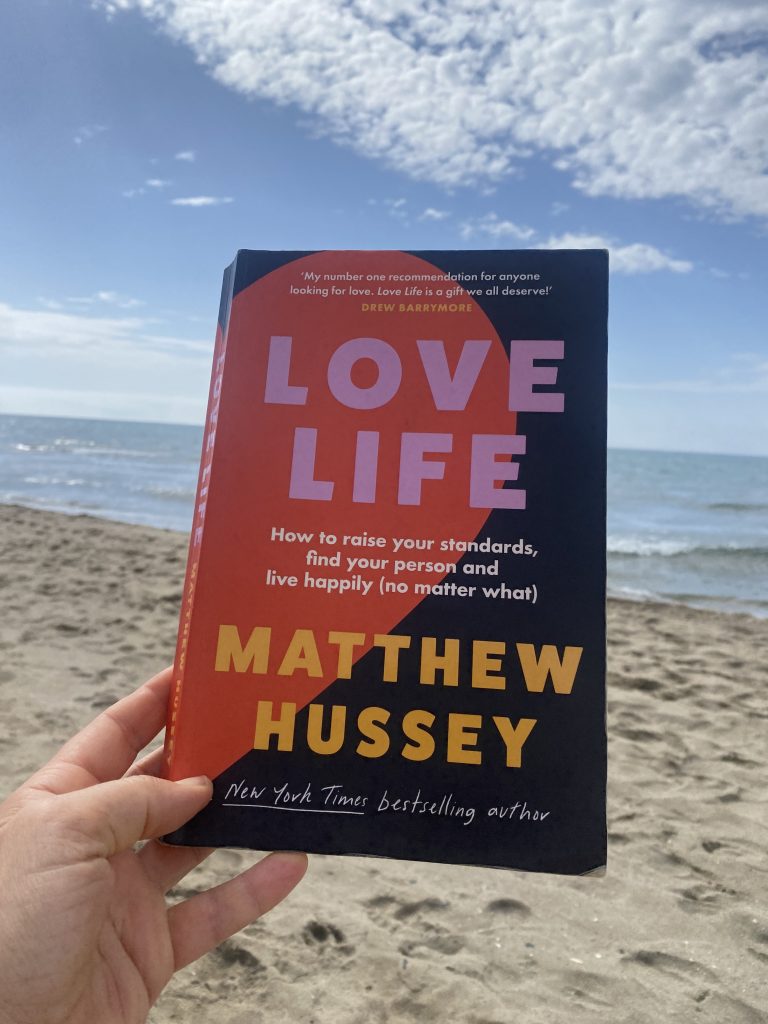
Love Life – Matthew Hussey
🎥 Helpful Videos to Deepen Your Understanding
The Brutal Truth About Relationships You Need to Hear: