

Why Is Communication So Hard in Relationships? The Top 13 Common Struggles..
Why Do I Struggle To Communicate With My Partner?
Communication is the foundation of any strong relationship, yet many of us find it surprisingly difficult to express our thoughts and feelings with the person we love the most. Do you ever feel like your words get misinterpreted, your concerns go unheard, or that every conversation turns into an argument building tension and leaving you feeling disconnected? If so, you’re not alone.
Struggles in communication can stem from a variety of reasons—differences in communication styles, emotional baggage, unspoken expectations, or even fear of vulnerability. Understanding the root causes of these challenges is the first step toward improving how you connect with your partner.
In this blog, we’ll explore why do I struggle to communicate with my partner and the common reasons behind communication struggles and how they affect your relationship.
The Top 13 Common Struggles
When you get into your 40’s and 50’s you’d like to think that you’d mastered the art of communication, so why does it feel so hard sometimes? It may be that you have been married for years and are experiencing some road blocks on specific subjects like parenting, household chores or how you spend your free time together. Or it could be that you have started dating and been in a partnership for a few months or years, and no matter how hard you try you keep going round in circles on certain issues, it may even feel like you are speaking different languages!

Let’s take a look at some of the most common struggles….can you relate?
1/ Different Communication Styles
We don’t communicate the same way. One person might be more direct and logical, the other emotional and expressive. These differences can lead to misunderstandings where one feels unheard and the other feels overwhelmed. This is definitely the case in my current partnership with an added complexity of ADHD.
My partner is very logical and black and white, needing everything laid out in short, get to the point paragraphs! I on the other hand like to provide context and have often really thought about the challenges and self-reflected, providing depth and understanding to the situation. This often gets unheard and is far too lengthy for my partner to digest.
2/ Fear of Vulnerability
Sharing feelings, insecurities or needs can be scary. If someone fears rejection or judgment they may avoid difficult conversations and have surface level communication instead of deep emotional connection. A partnership requires vulnerability because it builds intimacy and understanding, if one partner isn’t willing or just isn’t able to express their deepest fears or feelings then there isn’t anything to work with, you come to a stalemate situation. Building a safe and judgement free space is critical if your partner is going to open up.
Fact: Inside every adult is an 8 year old, remember that when your partner is acting out, take a deep breath and find compassion, look for the deeper unmet need and unspoken word.
3/ Unspoken Expectations
Many conflicts arise because we expect each other to “just know” what we need or how we feel. When those expectations aren’t met resentment builds even though we never even communicated them. This is a huge one for me, as we get older we often want people to me more like us as it feels more comfortable and easier.
When we don’t express our needs clearly and honestly our partner is left in the dark without the opportunity to meet them. You may also have very high expectations that in reality one person can’t meet. Or you actually need to look inside and meet them yourself, we will look at this in other posts.
4/ Emotional Baggage & Past Experiences
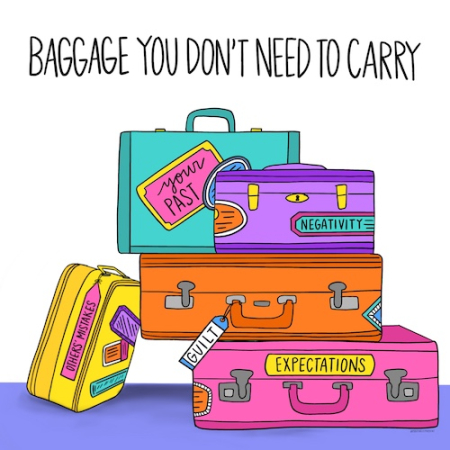
Past relationships, childhood experiences or past trauma can shape how we communicate. If someone has been ignored or dismissed before they may struggle to express themselves openly out of fear of being hurt again. So many of us carry baggage, especially when we get older, we have a trail of experiences behind us and we have often been hurt and let down. This is a complex one to unravel as we are all so unique, it also depends on how you have approached healing to overcome these challenges. Ultimately it’s unfair to expect your partner to be something they aren’t capable of being. They need to find their own path to healing and want to get better for themselves.
Fact: Adults won’t change unless they want too and have the desire too, no matter how much you want it for them.
My partner was unheard and dismissed in their past relationship and was never allowed a voice to express their feelings. This now means they fear speaking up which causes misunderstandings between us, it requires patience and a lot of love and reassurance to overcome this one.
5/ Assumptions & Mind-Reading
Instead of asking for clarity we assume what the other person is thinking or feeling. This can lead to unnecessary conflict, frustration and miscommunication. It’s far too easy to make assumptions, it takes courage to ask your partner to clarify on points that may lead to hurt or rejection. What also comes into play is the fear of confrontation and being “too much” if we start asking questions, like opening up a can of worms!
6/ Defensiveness & Conflict Avoidance
When someone feels criticized they instinctively defend themselves instead of listening. Others shut down completely to avoid arguments. Both reactions create communication roadblocks. Such a big one in relationships, especially when you are working with low self-esteem, hypersensitivity or insecurity. It’s a huge skill to be able to express yourself from a neutral standpoint when you are feeling hurt, disappointed or let down, emotions will be running high and you need to self-regulate before you have any important conversations.
7/ Distractions & Lack Of Presence
In today’s fast paced world we can be physically present but mentally checked out. Scrolling on a phone, thinking about work or watching TV while talking can make our partner feel unheard or unimportant. It can feel deeply hurtful when your partner doesn’t give you their time and full attention, especially when you are communicating something that’s really important to you. This can create a massive rift, it’s a basic human need and right to be seen, acknowledged and heard.

8/ Lingering Resentment & Unresolved Conflicts
If past issues haven’t been addressed they can resurface in new conversations. This creates tension where even small disagreements turn into big arguments because of unresolved emotions. Remember those conversations that seemed easier to leave at the time, well they tend to snowball and compound over time. They then unconsciously create a negative environment, festering below the surface. You know the ones you want to avoid…..talks about money, sex, spending quality time together, working too much.
9/ Lack Of Active Listening
Many of us listen to respond not to understand. Interrupting, dismissing or waiting for our turn to talk can make our partner feel unheard. Active listening—truly focusing on what they are saying—helps build stronger communication.
10/ External Stressors
Work stress, financial pressure, family issues or health problems can wear us out and impact communication. When someone is emotionally drained they may not be fully present in conversations with their partner. This is a hard one to balance as life will always throw things at us, and how we manage and respond to life as an individual deeply impacts our relationships. If we don’t have a handle on our stress levels or learn to navigate our emotions during difficult times, it can put a huge amount of pressure on those closest to us.
11/Different Values & Priorities
There may be a fundamental difference in values which then dictates our priorities. You may value quality time with your partner as one of your top priorities however they may value their work and making money. You may love a very chilled relaxing weekend snuggled up watching a movie, they may value keeping busy and getting things done around the house. This is where skillful negotiation needs to happen to ensure you both get your needs met and the difference in values isn’t causing conflict.
12/ Power struggles
When you have two, powerful head strong personalities involved it can create power struggles, someone needs to be right! You can get into a conflict where neither one wants to back down or move into a space of compassion and love. This is where love and wanting the relationship to move forward is more important than digging your heels in. It’s about seeing life and how your partner experiences it through their eyes, softening your guard and coming to a compromise.
13/ Different love language
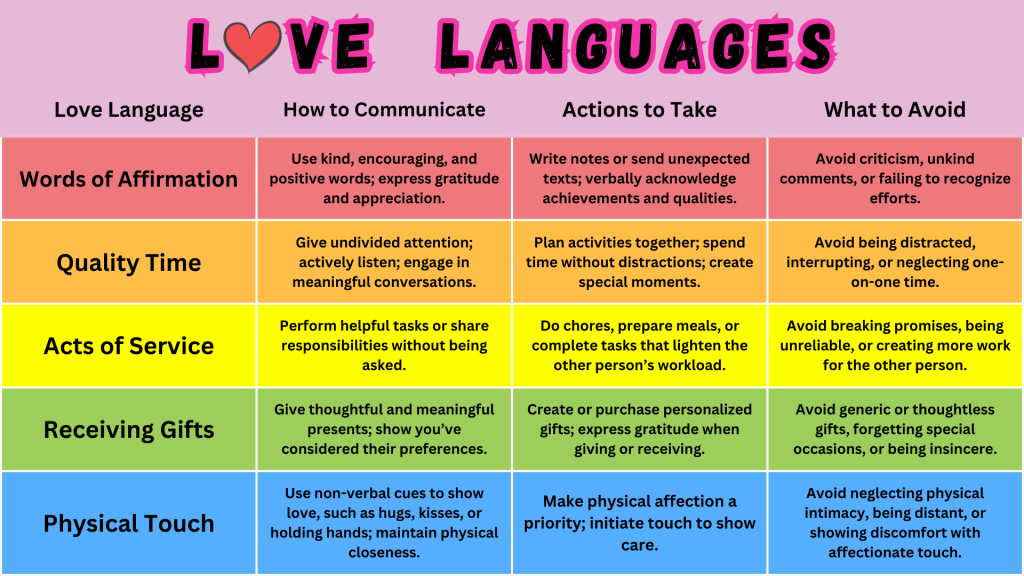
You could literally be speaking a different language! The five love languages describe five ways that people receive and express love in a relationship. I have highlighted detailed descriptions in the chart below, do you recognise yourself and your partner in these?
Knowing your partner’s love language and letting them know yours is a way to help you connect and communicate in ways that you both feel and receive love. Author and pastor Gary Chapman describes how to use these love languages to show your partner you care for them in a way that speaks to their heart.
Final Thoughts
It can feel so frustrating when we love someone and we are struggling to communicate and feel loved and connected. Feeling lonely in a relationship is an isolating experience, as romantic culture tells us that we should be living the fairytale where everything is perfect and flows naturally.
In reality this is often not the case and life can be messy and complicated, we have to work at deepening our bond and communication is at the foundation of this. If you were brought up in anything less than a peaceful and loving home with securely attached parents, it’s highly likely that you had some dysfunctional communication patterns passed down to you, it’s not your fault. I was raised for the first 7 years in a war zone where shouting and chaos was the norm, I didn’t have my parents model a healthy way of communicating my needs, feelings and hurt.
As an adult all we can do is take a breath, step back and look at better ways of being in our relationships. Learning to navigate misunderstandings and communication challenges is a skill, that’s all, and it can be learnt to better our connections and depth of feelings for our partners.
Handpicked Support for Your Midlife Journey:
Some of the links below may be affiliate links in the future. I only ever recommend products and resources I truly believe in.
As an Amazon Associate I earn from qualifying purchases.
📚 Books I Love for This Topic
Nonviolent Communication – Marshall B. Rosenberg
The Five Love Languages – Gary Chapman
Conclusion: If my future self could have told me…

- No relationship is perfect, it takes work and effort to build the loving intimacy you desire, arguing doesn’t always mean it’s over.
- BE the love you seek, cultivate the qualities and behaviours that you would like to see in your partner and lead the way.
- Conflict and fighting isn’t what keeps a relationship alive and exciting, it’s dysfunctional and damaging.
- Invest in learning about healthy relationships and seek out healthy couples who model that behaviour. If you want your dream relationship, find out how successful couples are achieving it.
- Always show compassion and understanding, we are all doing the best we can at any given time with the tools we have.
- Choose a partner who wants to learn and grow and lean into healthy love.
- Fully own your issues and challenges around communication and conflict, keep it clean and stay in your lane, actively work on your own healing and relationship with self.