

How To Treat Menopause Insomnia – Top Expert Tips On Improving Sleep
Why Is Sleep Such An Issue During Menopause?
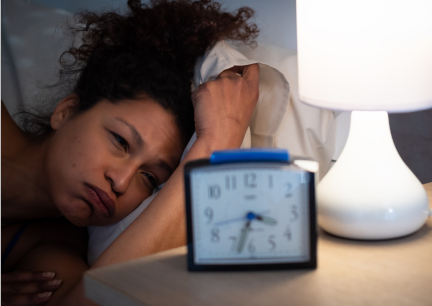
I used to love my sleep, I am definitely an 8 hour a night woman and if I don’t get that I wake up feeling exhausted, grumpy and unable to function. I really admire my friends who can get away with 4-5 hours and then behave like superwoman the next day, accomplishing all their goals and more with ease. Even as a baby my mum used to have to wake me up in the morning, my love for sleep started young!
Then came perimenopause and menopause, the love affair came to an abrupt halt and my beloved sleep went out the window! This started to have a huge impact on my life and ability to perform and function during the day in a stressful and demanding sales job. My lunch breaks turned into an afternoon nap and my energy and vitality plummeted, along with an increase in anxiety. At the time I was dating someone who had endless amounts of energy and I suspect ADHD, I started to feel embarrassed and ashamed of my little day naps and my overall confidence dropped.
Menopausal insomnia is primarily caused by hormonal changes, but several factors contribute to disrupted sleep during this stage of life:
- Hormonal Fluctuations – Declining estrogen and progesterone levels affect the body’s ability to regulate sleep, making it harder to fall and stay asleep. Progesterone has natural sedative effects, so its decline can lead to increased restlessness.
- Night Sweats & Hot Flashes – Sudden spikes in body temperature due to hormonal shifts can cause night sweats, waking women up multiple times throughout the night.
- Increased Anxiety & Mood Changes – Menopause is often linked to higher levels of stress, anxiety, and even depression, which can lead to racing thoughts and difficulty relaxing at bedtime.
- Changes in Melatonin Production – With age, melatonin levels decrease, making it harder to regulate the sleep-wake cycle and maintain deep, restorative sleep.
- Frequent Urination – A decline in estrogen can lead to increased urinary urgency, causing more nighttime trips to the bathroom that disrupt sleep.
- Sleep Disorders & Restless Legs Syndrome (RLS) – Menopause has been linked to an increased risk of sleep disorders such as sleep apnea and RLS, both of which can interfere with quality sleep.
- Lifestyle & External Factors – Poor sleep hygiene, excessive caffeine or alcohol intake, and stress from daily life can worsen menopausal insomnia.
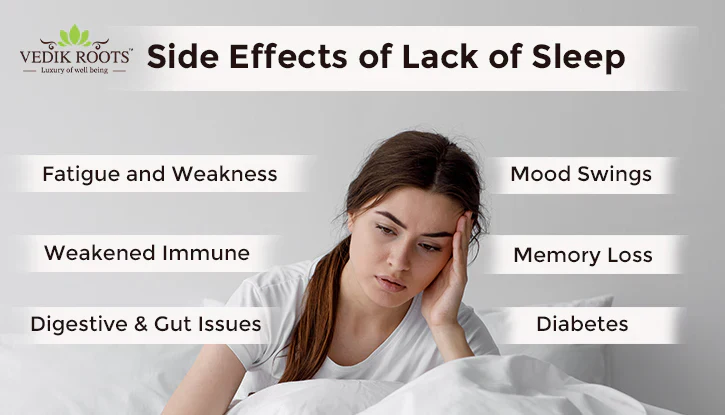
Let’s go a little deeper into understanding hormones and sleep cycles before we dive into some solutions!
The Sleep Cycle & It’s Importance
Sleep occurs in four main stages, cycling multiple times throughout the night:
- NREM Stage 1 (Light Sleep) – The transition phase between wakefulness and sleep.
- NREM Stage 2 (Deeper Light Sleep) – Heart rate slows, body temperature drops, and the body prepares for deep sleep.
- NREM Stage 3 (Deep Sleep) – This is the most restorative stage of sleep, where tissue repair, muscle growth, and immune function occur.
- REM Sleep (Dream Sleep) – Brain activity increases, memory consolidation happens, and dreaming occurs.
A full sleep cycle lasts about 90 minutes and repeats several times per night. Disruptions to any part of this cycle can cause sleep deprivation, affecting overall health.
How Hormones Influence Sleep & Why They Disrupt It During Menopause
Estrogen’s Role in Sleep
- Regulates Melatonin – Estrogen helps regulate melatonin, the hormone that controls the sleep-wake cycle. As estrogen levels drop, melatonin production declines, leading to difficulty falling asleep.
- Affects Serotonin & Mood – Estrogen influences serotonin, a neurotransmitter that helps with relaxation and mood regulation. Lower serotonin levels can lead to anxiety and depression, both of which are linked to insomnia.
- Regulates Body Temperature – Estrogen helps maintain body temperature. When levels drop, the body struggles with thermoregulation, leading to night sweats and hot flashes that disrupt sleep.
Progesterone’s Role in Sleep
- Natural Sedative Effects – Progesterone has calming properties, promoting relaxation and sleep. When progesterone declines during menopause, women experience more difficulty falling and staying asleep.
- Impacts Breathing Regulation – Low progesterone can increase the risk of sleep apnea by relaxing airway muscles, leading to breathing interruptions and fragmented sleep. Now I know why I started snoring as I got older!
Cortisol & Stress Response
- As estrogen and progesterone decline, cortisol (the stress hormone) can become dysregulated, leading to heightened stress responses at night. This can cause increased wakefulness, night-time anxiety, and early morning awakenings. I was waking up at 3-4am ready to start my day but feeling exhausted at the same time, they call it “wired and tired”.
Melatonin Decline with Age
- Even outside of menopause, melatonin levels naturally decline with age. This further contributes to shorter sleep duration, lighter sleep, and more frequent awakenings.
Disruptions to Deep Sleep & REM Sleep
- Studies show that menopausal women spend less time in deep sleep and REM sleep, which are critical for memory consolidation, immune function, and overall restfulness.
- Frequent awakenings due to hot flashes, anxiety, and hormonal imbalances prevent full sleep cycles, leading to daytime fatigue and brain fog.
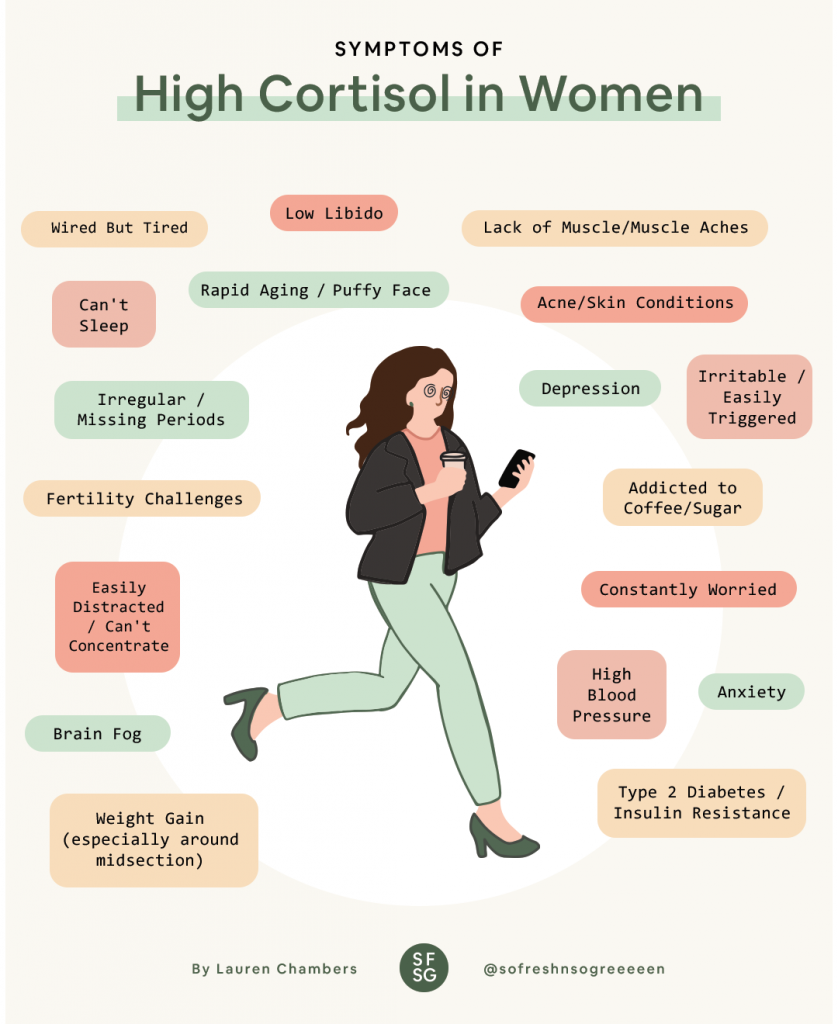
It’s overwhelming isn’t it? When you read about all the changes women go through, it feels as though everything is stacked against us for a restful and invigorating nights sleep. But don’t lose hope, there are tips and tricks out there to support and balance our hormones, let’s take a look at some of those now.
If you have read any of my previous posts you will know I am a huge fan of Dr Mindy Pelz, what I am going to share here is based on her book The Menopause Reset which I would highly recommend you read multiple times. There is so much valuable information in it, that you will keep using it and changing your life and your habits step by step to support your menopause journey.
Top Thirteen Tips To Create Effortless Sleep
It all starts with resetting your Circadian Rhythm. A circadian rhythm is your body’s internal 24-hour clock that regulates sleep, wakefulness, hormone production, digestion, and other bodily functions. It is primarily controlled by the suprachiasmatic nucleus (SCN) in the brain’s hypothalamus, which responds to light and darkness to keep your body in sync with the environment.
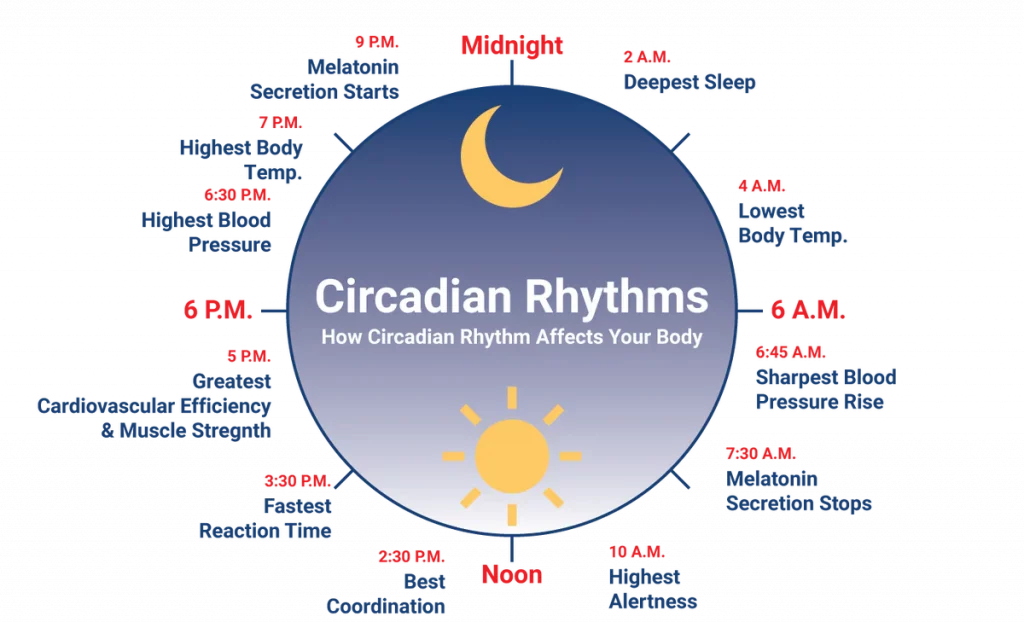
1/ Exposure to natural light first thing in the morning turns melatonin off (responsible for sleep), cortisol then slowly comes in to the day to energise you. It peaks 2 hours after you wake up, it’s a hormone that wants you to move (this is why anxiety can be at its peak on waking up and why moving/exercise is so important to help release it). We can get cortisol dysregulation if we experience stressful experiences in the afternoon which leaves you feeling wired and tired at the end of the day too.
Keeping cortisol in check and balanced throughout the day is critical to a good night’s sleep.
2/ Get up with the sunrise if you can, this will massively help. The red hues of the morning sunrise shut off melatonin, so if you can get out and see the sunrise that’s the best way to wake up your body naturally. When you miss this, melatonin will shut off abruptly when you wake and cortisol will spike quickly. These abrupt hormonal changes can cause you a poor night’s sleep.
Getting up with the sunrise and easing your way into the day balances both cortisol and your fight or flight nervous system which greatly aids with sleep. Make yourself a warm lemon water and then either take yourself back to bed/calm space in your home and meditate and read or go for a walk. Give yourself the gift in that first hour to allow your hormones to naturally transition and start your day with beautiful intentions.
3/ Don’t jump straight on your phone or emails, this will expose you to blue light, again shutting off melatonin abruptly. If your messages/emails stress you out this will also cause cortisol to spike too quickly, knocking your hormones out of balance again.
4/ Journal, visualise and set your intentions for the day, this will really set you up with the right mindset and hopefully avoid any of those stressful afternoon situations that spike cortisol and then make you wired and tired when it’s ready for bed. My favourite thing to do is connect with my future self vision so I can bring my best self to the day, you can learn more about that in my No Direction In Life At 50 post.
5/ Time your cup of coffee in the morning! This was a game changer for me as I noticed how anxious I felt in the morning, no wonder, I was plying myself with a whole cafetiere of coffee as soon as I woke up! Try and wait 2 hours after you wake up (I know, I wasn’t thrilled at that prospect either!) and then it will naturally lift you when cortisol hits its peak. Aim for 20 minutes first, then half an hour, then an hour and keep going until you can get to 2 hours. I am at the hour mark right now, I meditate and read first and it has really helped me feel calmer throughout the day and much less wired.
6/ Move your workout/exercise routine to when cortisol spikes 2 hours after you wake up, this will massively help regulate it. Go to the gym or go for a walk if you can and move your body, cortisol needs to move. If you do get stressed out in the afternoon then again move your body…..jump up and down (if you can!), get up from your desk, shake yourself down or go outside and get some fresh air. This will all help regulate your cortisol levels and give you a better nights sleep.
7/ Go out at lunch to get some midday light, even if it’s in your garden for 5 minutes. If you are inside all day or in an office with lots of unnatural blue lighting it will throw off your circadian rhythm. Midday light also activates your serotonin receptor which is a feel good hormone and lifts your mood.
I always used to crash in the afternoon about 3pm, this is actually natural as your cortisol levels start to drop to prepare you for the sun going down and sleep. Getting out to see some natural light helps you beat that crash, as well as not loading yourself with carbohydrates for lunch!
8/ Front-load your day as we are designed to have more energising hormones in the morning. If you have a lot on and work is stressful then get all those high intensity activities ticked off your to do list first thing. This will naturally make you feel better as you have achieved the hardest part of your day by lunch, and will hopefully alleviate and prevent those stressful peaks in the afternoon.
Life isn’t perfect and we always get thrown things that are out of our control, but using this as a base for your day should support you and your hormones. Set your intention and have fun too!
9/ Get the right evening light & protect yourself from blue light to prepare your body to relax for sleep. I never appreciated how important this was, I had such bright lights in my bedroom as I live in a lower ground floor flat. When I read how damaging blue light is and how detrimental cutting exposure to it is for sleep I started my research. I did a couple of things……I found a reputable UK company that specializes in blocking blue light, they are called Block Blue Light .
Because I work on a computer all day I purchased some DayMax Taylor glasses, I needed a prescription and they were amazing. This cuts out all the bad blue light during the day from my laptop and has also really helped with eye strain.
I then purchased some red lighting for my bedroom, a little Twilight Red Light lamp and a red light bulb, it is odd at first and they aren’t the cheapest but I couldn’t live without them now! It creates such a calm and warming environment and really sets you up for sleep. You can also buy their red twilight glasses for the evening but I haven’t yet done that, it’s next on my list! Doing this increases melatonin and lowers insulin, a crucial combination for better sleep. If you can also get out for a walk to see the sunset then that’s an added bonus!

Also be aware of all the other blue light exposure in your home like LED lights, TV’s, mobile phones and computers. Switch all of them to dark mode in the evening, you should have a setting on your TV and computer for this as they come preprogrammed with light filters. As a menopausal woman you have lost the hormones that support sleep, so going the extra mile and blocking disruptive blue light will help.
10/ Eat dinner earlier as the timing matters to sleep. Eating too close to bedtime can shut off melatonin and increase insulin, not a good combination for sleep. Most circadian rhythm experts recommend consuming the majority of our food during daylight hours. I try to eat my main evening meal between 6-7pm OR I will have my main meal at lunch and then a lighter meal in the evening. This also helps increase my fasting window, you can read more about Intermittent Fasting here.
11/ Keep a window open at night or turn up the air conditioner which will really help with hot flashes at night. You can also invest in a cooling mattress (they can be expensive) which will instinctively lower your body temperature and stop you waking up at night when you overheat.
Another sleeping tool that Dr Mindy Pelz talks about is a weighted blanket as it mimics our primal ancestors who slept on cold hard cave floors with a heavy hide draped over them! Apparently the trick is finding the weight that works for you so you need to experiment.
12/ Put the stressful heavy conversations away after 8pm, this means catching up with your partner about stressful situations at work, money conversations or ANYTHING that will cause your mind to race and your cortisol to rise. You need your nervous system to calm down before sleep and move out of fight or flight. Just make a pact with whoever you share your life and home with (or friends you may speak to in the evening on the phone) that post 8pm is winding down time and for peaceful conversations and quality time.
13/ Reach for assistance with supplements if all else fails, a high quality CBD supplement which ideally includes CBD, CBN and THC will help you relax. Another supplement that Dr Mindy recommends is Phosphorylated Serine which can help with cortisol spikes (i.e stress response), this unique nutrient is known to lower your bodies production of cortisol by 50-70 percent. It has been reported to support you in taking you out of fight or flight in extremely intense periods of your life where you just can’t calm your nervous system down. You can take it in the afternoon if the day has hit you with a lot of stressful curve balls, or 9pm at night when your body just doesn’t feel ready for sleep.
Do your own research on what reputable UK brands are out there, I haven’t yet turned to these supplements, I only take Prizmag, a magnesium supplement before I go to bed, another great tool that your body is naturally depleted of and needs.
The Bottom Line
Hormonal shifts during menopause significantly impact the ability to fall asleep, stay asleep, and cycle through restorative sleep stages. Addressing these imbalances—whether through lifestyle changes, hormone therapy, or sleep hygiene improvements—can help improve sleep quality and overall well-being.
Final Thoughts
Getting your sleep hygiene and hormones balanced during menopause is a slow jog, not a sprint! Be really kind and gentle with yourself and incorporate the tips one by one and monitor the impact they have on you, we are all beautifully unique and what works for one won’t work for another. Also be super patient with your body, it may take time for some of the above to make an impact, like the supplements or your new red lighting. Keep a journal and tune into your body and gradually discover what works for you.
I personally find it really hard to wake up with the sunrise as an avid sleep lover! But, as we approach Spring here in the UK it will get easier and I will add it to my goals. What is working for me right now is delaying coffee and the blue light blocking products along with going to the gym at lunch. I am also acutely aware of when my stress levels go up at work in the afternoon, so I take a breather and remind myself that my health and wellbeing HAS to take top priority.
Good luck on your own beautiful journey and let me know what works for you, I would love to hear your feedback in the comments!
Handpicked Support for Your Midlife Journey:
Some of the links below may be affiliate links in the future. I only ever recommend products and resources I truly believe in.
🎥 Helpful Videos to Deepen Your Understanding
Dr Eric Berg on the Circadian Rhythm, Cortisol and Sleep: