


Intermittent Fasting for Menopause Belly – Top Tips on Intermittent Fasting for Menopause Belly Step by Step
Menopausal belly fat is a common concern for women experiencing hormonal changes during menopause, as shifts in estrogen levels often lead to increased fat storage around the midsection. Intermittent fasting offers a powerful approach to addressing this issue by helping to balance hormones, reduce insulin resistance, and enhance metabolic function.
By cycling between periods of eating and fasting, the body can more effectively tap into stored fat for energy, promoting fat loss specifically around the abdominal area. Additionally, intermittent fasting has been shown to stabilize blood sugar levels, reduce inflammation, and support overall hormonal health, making it a holistic and effective strategy for reducing menopausal belly fat and improving overall well-being.
Intermittent fasting for menopause belly is a strategic approach that many women find beneficial in tackling this common concern during hormonal changes.
The Menopause Reset
As I hit my forties I noticed how much more difficult it was to lose weight, fitness results weren’t coming as quickly and my metabolism had slowed down. Up to about 34 years old I was a consistent 8.5 stone, that went up to 9.5 stone in the following years. About 3 years ago (at hitting 50) I went up to 11.5 stone, the heaviest I had ever been, it was time to reevaluate my lifestyle and find different ways of doing things.
Along that journey I came across Dr Miny Pelz who I have mentioned in previous posts, she is a leader and expert in fasting and nutrition. I didn’t particularly relate to her style on You Tube, she is very American! Her book The Menopause Reset is amazing though, I would highly recommend a read and I will capture some of it in this post.
I had never even considered fasting as a lifestyle so I was intrigued to what health benefits it had and if it really did reduce menopausal belly fat.
How should you approach intermittent fasting as a beginner?
Intermittent fasting for menopause belly can initially feel challenging but remember, every small step counts towards achieving your goal.
Incorporating intermittent fasting for menopause belly into your daily routine can yield transformative results.
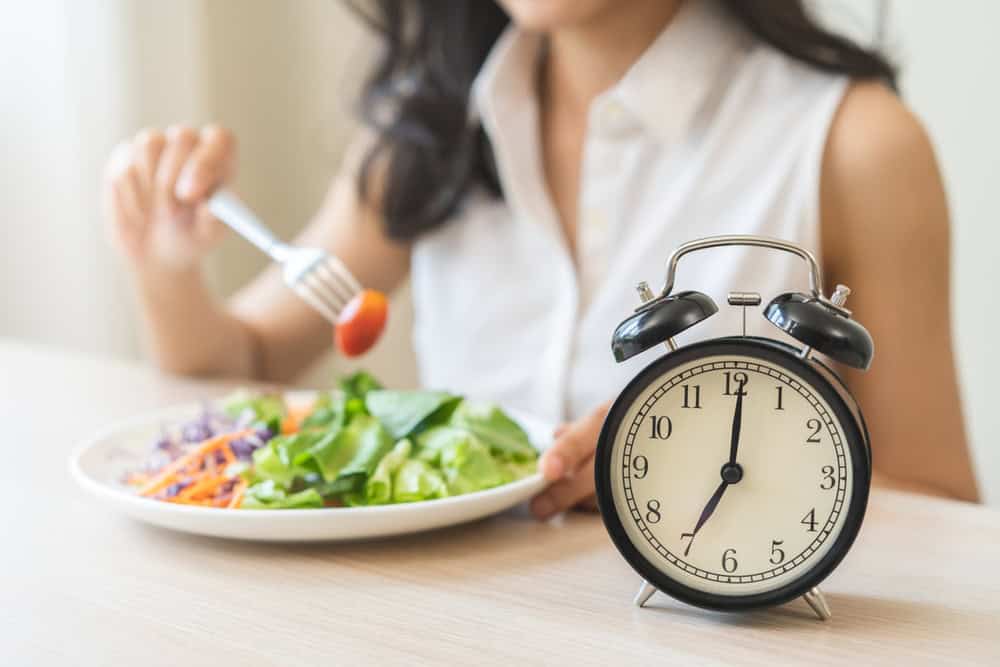
While adopting intermittent fasting for menopause belly, focus on what resonates with your lifestyle and preferences.
If you are new to feast/famine cycling, here is the mindset that Dr Mindy wants you to have. In a 24 hour period, you should have a window of time when you fast and a window of time when you eat. Up until now, you may have only fasted when you slept. That might be your only six-eight hour period without food. This is not long enough to keep insulin levels down or secrete ketones. Source: The Menopause Reset
Step One: Change when you eat
This is step one in the Menopause Reset, I personally found taking things one step at a time was much easier and less overwhelming. Dr Mindy recommends simply moving your breakfast back an hour. For me the hardest part of this was my morning coffee and reading my book routine! I love Cashew milk in my coffee which would break my fast, you need to get used to black coffee or non at all, try some warm lemon water instead. We are all creatures of habit and it’s surprising what you can get used to when you just stick with it.
I started with a 13 hour fasting window and stopped eating in the evening at 7pm and started again at 8am the next day. Other times may suit you better, it all depends on your routine and lifestyle. At this stage you can go up to 15 hours, do what’s right for you and listen to your body. Essentially in this first few weeks keep pushing back your eating window until you feel comfortable going without food every day for 15 hours.
Intermittent fasting for menopause belly aids in the reduction of stubborn fat and enhances overall health, it can……
- Slow down your aging process
- Improve your memory
- Reverse Insulin resistance
- Help you lose weight
- Protect you from neurodegenerative diseases like Alzheimer’s and dementia
- Prevent cancers
- Reduce arthritis
- Reverse asthmatic conditions
- Slow the progression of autoimmune conditions
- Increase your lifespan
Step two: Address what you are eating
As you continue your journey, the concept of intermittent fasting for menopause belly will become more familiar and manageable.
Once you have mastered step one as a daily routine it’s time to look at what you eat and what foods help raise declining hormones. No more calories in/calories out and hours at the gym without seeing the results. Also no more diets with chemical laden, low fat foods. Managing your insulin levels underpin all of this according to Dr Mindy, it influences your sex hormones which are Estrogen, Progesterone and Testosterone. We need to make sure that the foods we eat aren’t constantly spiking our insulin levels.
Dr Mindy recommends buying a blood sugar monitor or a Keto – Mojo, please note that these get sold out so you can try other sites. I personally haven’t invested in one of these yet but I do know that as my fasting journey progresses that it is a really important part of regulating and managing a fasting lifestyle. They retail at about £60 but please note the testing strips are expensive so try and get a bundle offer. Here’s an overview of how to address what you are eating….
- Remove refined carbohydrates out your diet, so breads, pastas and sugary treats, these will have the strongest impact on insulin levels. I used to LIVE off these so I hear your pain, but intermittent fasting coupled with a no-refined carb diet will see your energy increase, hunger drop and mental clarity improve. Replace them with fruits and vegetables.
- Next step is to learn how to count your macros, which if you have never done before can seem overwhelming. Use an app like Carb Manager to help you enter your food every day. To keep blood sugar and insulin levels in a healthy zone, you want to keep your net carbs under 50 grams. The app will help you calculate all of this so don’t worry about the terminology for now. When you keep your net carbs under 50, your blood sugar should drop into the healthy range of 70-90. Really important to note here….do not reduce your in-take of vegetables to keep lowering your carbohydrate load, Dr Mindy is NOT a fan of low-keto diets for menopausal women. She advocates for a Ketobiotic diet which includes healthy fats and protein.
- Now let’s look at Protein, super important for balancing hormones and bone health, I wrote about this in my Increasing Bone Density After 50 post. One thing to change immediately is the quality of protein you eat, meat can be the most toxic as it’s injected with antibiotics and growth hormones. This really disturbs our own hormones and damages our overall health. Wherever you can choose grass-fed organic meats. I never used to do this because let’s face it, it’s expensive! What I did instead was reduced the amount of meat I ate and focused more on plant protein, you will find the charts in my bone density post.
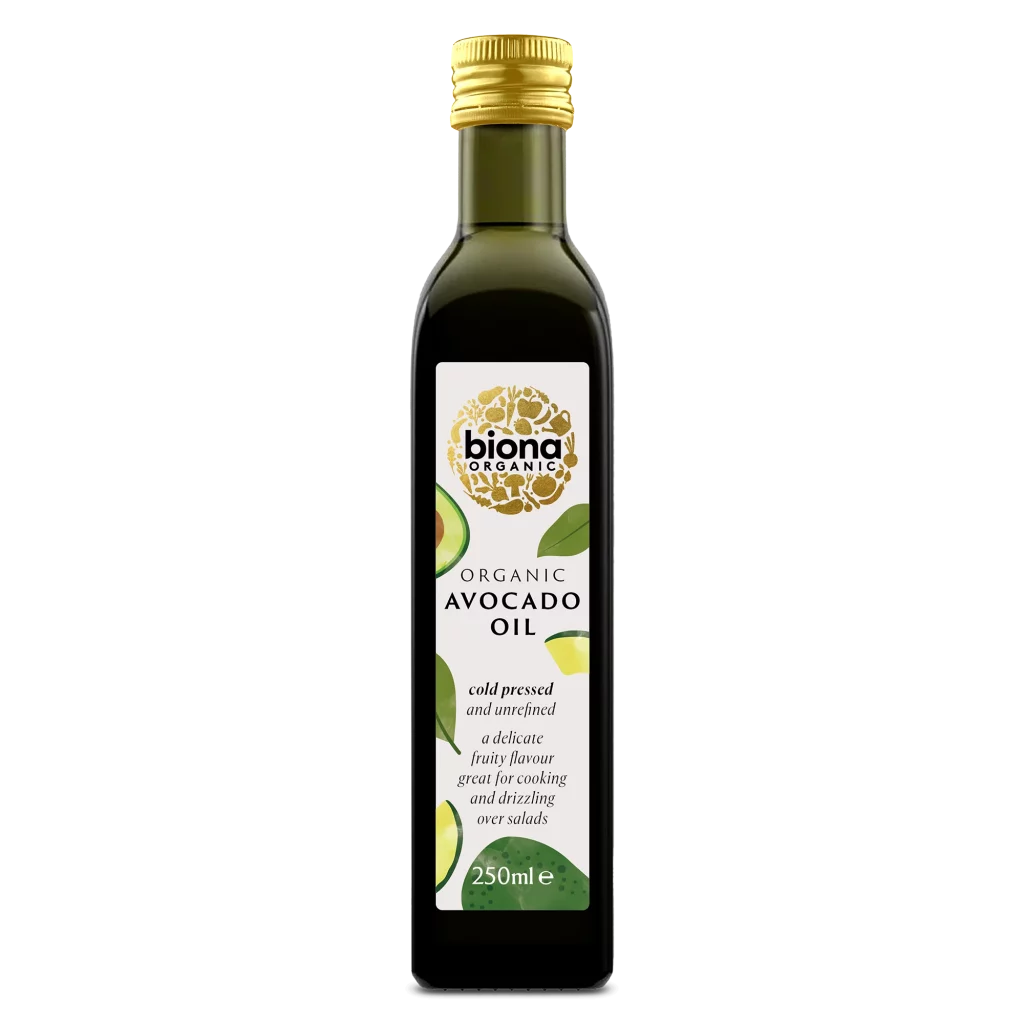
- Next up is fat, GOOD fat! Avoiding bad fats is crucial as you move through menopause, so avoid Canola Oil, Vegetable Oil, Soybean Oil, Margarines, Corn Oil and Sunflower Oil. Then ADD in Olive Oil, Avocado Oil (huge fan of this as it can withstand high heat without becoming carcinogenic, ALWAYS cook with this), Coconut Oil, Grass Fed Butter, Raw Nuts and Nut Butters (I love Pip & Nut smooth Almond Butter) and Ghee and choose organic, non organic fats are packed with pesticides. You want to make sure that over 60% of all the food you eat in a day comes from fat. That may seem counterintuitive I know, but the key to balancing hormones and losing weight is in lowering your carbohydrate load, moderating your protein and increasing your fat.
Through intermittent fasting for menopause belly, you’ll learn to listen to your body’s signals more effectively.
So, in summary….
- Remove refined carbohydrates
- Keep your carbohydrate load under 50g net carbs
- Eat clean protein
- Eat good fat, avoid bad fat
- Be sure that over 60% of the food you eat in a day comes from healthy fats
- Once these steps are mastered Dr Mindy recommends you move onto her 28 day Hormone Reset. I haven’t yet joined this but as I master the above steps I will invest in a reset programme.
One thing to note in all of the above is that this really is a journey, not a sprint. For me it was all about education and gradually incorporating these new concepts into my lifestyle. My fasting window has been on and off and I haven’t done it for a little while now, my goal this year is to master it and begin the daily 13-15 hour fasting window.
I have already changed a lot of what I do nutritionally to reflect the above, decreasing carbs was the biggest challenge but I have lost 2 stone just by doing this alone. As a rule of thumb if I’m working and sitting at a desk all day then I don’t need carbs for breakfast, I need good fats for my brain. Your body also needs protein in the morning so I eat a lot of eggs and vegetables for breakfast.
Be really kind and gentle with yourself, for some the above can involve massive changes and you will default at times, we all do. Just take one step at a time and master each one as you go along. I am still very much on this journey and there is far too much to learn in one post, so I will be discussing other areas of an intermittent fasting lifestyle in the coming months.
One thing to motivate you and keep in your vision is your new, almost flat, beautiful belly!

Handpicked Support for Your Midlife Journey:
Some of the links below may be affiliate links in the future. I only ever recommend products and resources I truly believe in.
🎥 Helpful Videos to Deepen Your Understanding
Fasting website: Dr Mindy Pelz
Conclusion: If my future self could have told me…

- Be more health conscious and understand the compound effect of what you put in your body and the long-term impact that has on your future health.
- Prepare your body early for perimenopause and menopause, don’t let it creep up on you and disrupt your life.
- Think about fasting, nutrition and diet BEFORE going on HRT.
- Start making changes to your exercise, diet and lifestyle as you hit 40 to prepare your body.
- Keep a vested interest and education on the food chain and understand what you are actually putting in your body.