

Top Signs Of Burnout In Women – When “Pushing Through” Becomes Too Much
Recognizing the Signs of Burnout in Women
Burnout doesn’t always come with flashing lights and sirens—it often creeps in quietly, disguised as everyday stress or the constant hum of being “just a little tired.” I was at my monthly Queenagers meet up this week, Noon, and the theme was change and anxiety. We have a discussion topic every month that guides the conversation and this one was insightful and powerful.
What struck me the most as we went around the room (well a lovely little bar called the Wine Cellar in Brighton) was just how much we all experienced stress and burnout in the workplace along with how abysmally as women we were treated. Stories of redundancy, long working hours, juggling family life, managing finances and trying to keep up with our younger and less experienced counterparts echoed around the wine cellar.
It truly saddened me to be sat with such beautiful, amazing powerful women who were clearly extremely accomplished in their fields, and hear such horror stories of mistreatment and ill health due to stress and burnout.
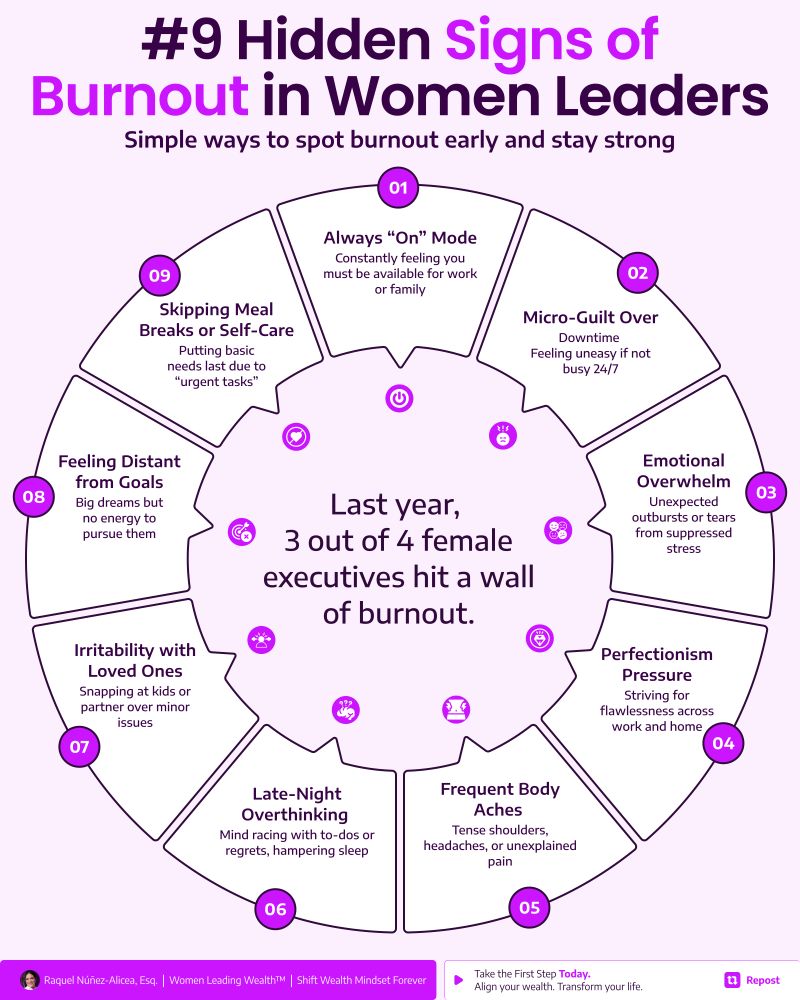
Common signs of burnout in women include chronic exhaustion (no matter how much you sleep), irritability, frequent illness, and a loss of joy in things you used to love. You might find yourself emotionally detached, overwhelmed by simple tasks, or feeling like you’re failing even when you’re doing your best. Physically, burnout can manifest as headaches, insomnia, and digestive issues.
The pressure to “do it all” is real—but so is the toll it takes. If this sounds familiar, it’s not a personal failure; it’s a signal. Your mind and body are asking for rest, care, and change.
What Does Burnout Feel Like? – how does it compare to normal stress?
So when do you know that it’s not just one of those busy months, weeks, years?! We all get so wrapped up in the external world, making sure we meet the standards and expectations of all those around us that apparently meet the societal norm. But let’s be honest, nothing is “normal” anymore, we are all going through enormous changes in the way we see life and live in this world.
I genuinely feel that women are at breaking point and things have to change for us to be better leaders, parents, wife’s, daughters, carers……whatever life has given us. We are battling with a broken system and trying to fit in, often for survival or the fact that we are the main breadwinner. It’s only when life (our body, mind and spirit) pull us off the field with a serious tug and says NO MORE. Let’s take a look at the key signs of burnout in women…..
Burnout is a state of emotional, physical, and mental exhaustion caused by prolonged and excessive stress. While it can affect anyone, women often face unique pressures-balancing careers, family, societal expectations, and personal aspirations-that make them particularly susceptible. Recognizing the signs early is crucial for prevention and recovery.
Physical Symptoms
- Persistent fatigue that doesn’t improve with rest
- Frequent headaches or migraines
- Muscle tension, aches, or unexplained body pain
- Gastrointestinal issues such as nausea, constipation, diarrhea, or stomach aches
- Changes in appetite or sleep patterns, including insomnia or oversleeping
- Weakened immune system, leading to more frequent illnesses
Emotional and Mental Indicators
- Chronic anxiety or feelings of being overwhelmed
- Increased irritability, anger, or mood swings
- Emotional numbness or detachment from responsibilities and relationships
- Persistent feelings of helplessness, hopelessness, or self-doubt
- Loss of motivation, decreased sense of accomplishment, and cynicism
- Difficulty concentrating, “brain fog,” and reduced attention span

Behavioral Changes
- Withdrawal from social interactions, friends, or family
- Procrastination, missed deadlines, and reduced performance in daily tasks
- Avoiding or neglecting enjoyable activities and self-care routines
- Using food, alcohol, or other substances to cope
- Increased absenteeism from work or social obligations
Unique Factors for Women
Women may experience additional pressures that contribute to burnout, including:
- Societal expectations to maintain a perfect work-life balance and household
- Primary caregiving responsibilities for children or aging parents
- Workplace challenges such as gender discrimination, lack of advancement, and wage gaps
- Perfectionist tendencies and difficulty delegating tasks, often seen in Type A personalities
| Driver | Impact |
|---|---|
| Hormonal fluctuations | Mood swings, fatigue, stress sensitivity |
| Cortisol dysregulation | Impaired stress response, immune suppression |
| Sleep disruption | Cognitive fog, emotional instability, fatigue |
| Neuroinflammation | Depressive symptoms, energy depletion |
| Brain structure differences | Higher emotional reactivity, difficulty with emotional detachment |
| Nutrient deficiencies | Low energy, mental fatigue, poor stress tolerance |
| Reproductive/caregiving load | Physical exhaustion, long-term depletion of resources |
Do you recognise any of the above signs in yourself? It’s crucial that women take this seriously instead of just shrugging off the symptoms and “cracking on”, which is highly encouraged with a badge of honour in most toxic work environments. Burnout when left can lead to long-term physical and emotional/mental disease, once you pass that point of no return it can take a year to recover and feel like yourself again.
Someone very close to me had burnout, they have a tendency to plough through and are very much a Type A personality, also running their own business. It’s like they just don’t have a STOP button and they can be very disconnected from their own body and emotions at times. It was an awful year, she completely withdrew from her family and friends, isolated, had no interest in joyful activities/hobbies, was all consumed with work and her side hustle and I just couldn’t reach her on any level.
Watching someone you love go through it from the outside is overwhelming, she knew something didn’t feel right but couldn’t put her finger on it and the “drive” she felt to just crack on and ignore it was scary, there was nothing I could do. All the physical symptoms were there……exhaustion, heavy chest, pains in chest, off the charts anxiety, low mood…….but it’s like she couldn’t get off the speeding train.
Our body only gives us so many warning signs and then boom, the big health scare comes to knock us flat on our backs. Then we have to take it seriously, we don’t have a choice but the damage is already done. I am not sharing this to scare you, I just hope from my heart that it will help someone before it gets to that point.
Let’s start looking on the bright side and how we can manage it BEFORE it gets critical…..
Effective Strategies for Managing Burnout
Prioritize Self-Care
- Ensure adequate sleep, maintain a balanced diet, and stay hydrated.
- Engage in regular physical activity, such as walking, yoga, or swimming, to reduce stress and boost mood.
- Incorporate relaxation techniques like meditation, deep breathing, or mindfulness to help manage stress and promote recovery
Above all CHOOSE YOU first. Block these out in your calendar with a no negotiation mindset, missing that gym session for a meeting that’s been put in your diary is a hard no. If your partner goes to bed later than you, let them, prioritise rest and sleep. Learn to slow down and tune into your body and feelings, whatever comes up honour it and take action on what comes up for you.
Set Boundaries
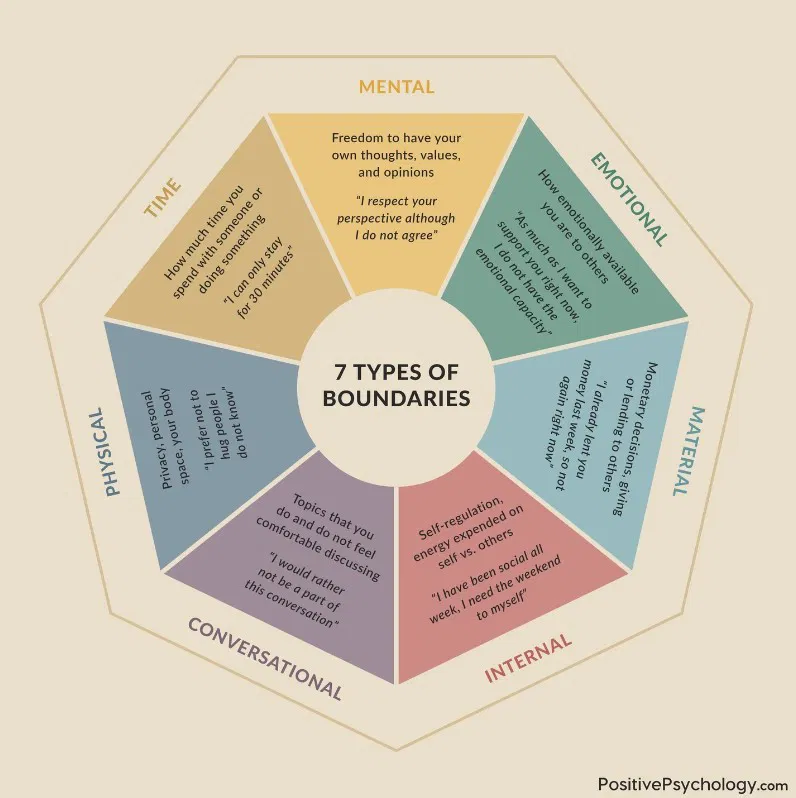
- Learn to say no to additional tasks or commitments that exceed your capacity.
- Clearly define work hours and personal time to prevent overextension.
- Take regular breaks from technology and work to recharge
Shut down all technology by 9pm, go for an evening walk to see the sunset and get that critical red light, get a timer on your desk and set it every hour to move and stretch.
Develop a Healthy Work-Life Balance
- Schedule time for relaxation, hobbies, and social activities outside of work.
- Avoid overcommitting to work-related tasks at the expense of personal life
Isolating is one of the biggest signs of burnout, seeing friends and family and enjoying time outside of work is so important. Get an accountability buddy and let them know how you’re feeling, schedule a walk/time in with them so they can lift you and hold you accountable for taking breaks. When you feel like this, being social is the last thing on your mind but it’s the first thing you need to prioritise.
Manage Workload and Expectations
- Set realistic goals and expectations for yourself and your work.
- Prioritize tasks, delegate responsibilities when possible, and break large projects into smaller, manageable steps
Be smart about how you work and set intentions for the day, focus on the 20% of tasks that will deliver 80% of the results. Assess your current responsibilities and recognize that you cannot do everything. Setting boundaries and being honest about your capacity is essential for avoiding overextension and stress. Reach out for help when you need it, as women we take far too much on, put your health first and get support.
Seek Social Support
- Connect with friends, family, or colleagues for emotional support and perspective.
- Build a support network to share experiences and lighten your emotional load
We all share moments of stress in our lives, especially in the world we live in today which is fast and complex. When we open up and share our feelings you’d be amazed at who feels the same way, this is why community is so important. Find your tribe and know that we all feel it, share the load and things really will feel lighter.
Take Time Off
- If burnout is severe, consider taking a complete break from work to rest and recover.
- Use vacation or sick days to step away from stressors and focus on well-being
This is so IMPORTANT, don’t get to the no turning back point. Even if you have to get a doctors letter and get signed off do it, no career is worth your physical and mental health. Focus on what nurtures you and fills you up in that time and REST.
Practice Mindfulness and Reflection
- Use mindfulness practices to stay present and reduce anxiety.
- Regularly reflect on your stress levels and coping strategies, adjusting as needed

Use Technology for Stress Management
- Explore meditation apps, time management tools, and digital planners to stay organized and manage stress
Create a Personal Stress-Relief Toolkit
- Develop a collection of activities or items that help you relax, such as music, books, or journaling
This is a favourite of mine and I personally use the Rosebud AI app to journal. I have a paid subscription so I can voice note my journaling, it’s super easy and quick and it keeps a log so you can look back on your year! It even prompts you with deeper reflection so it can act like a mini coach/therapy session.
Seek Professional Help if Needed
If self-help strategies are not effective, consult a mental health professional for guidance and support. Sometimes we need more help and that’s ok, a good coach/therapist can add a layer of the human touch and highlight your blind spots.
Final thoughts:
Handling stress and burnout can be really complex when it gradually creeps up on you, which is why it is so important to make time for connecting with yourself. To spot the signs we need to tune into our own energy, thinking, behaviour and well being, this is a life practice and way of living.
We all have our own personal reasons, circumstances and motivations for driving on and ignoring the signs, including huge financial pressure. But remember that without your health (physical and emotional) nothing works, life comes to a stand still and it all comes crashing down.
Choose you, there is a way out and if you practice the self care strategies above you will begin to get back into alignment, even if you only choose one, do it today.
Handpicked Support for Your Midlife Journey:
Some of the links below may be affiliate links in the future. I only ever recommend products and resources I truly believe in.
🎥 Helpful Videos to Deepen Your Understanding